Slow Cooker Beef Stew: The Art of Modern Comfort Cooking

In an age of instant gratification and 30-minute meals, there’s something profoundly satisfying about the slow, methodical preparation of a classic beef stew. When combined with the convenience of a slow cooker, this timeless dish represents the perfect marriage of traditional cooking methods and modern technology, creating a meal that’s both deeply flavorful and remarkably hands-off in its preparation.
The Evolution of Slow Cooking
The concept of slow cooking dates back centuries, with every culture having its version of a slowly simmered meat and vegetable dish. From French boeuf bourguignon to Hungarian goulash, these dishes share a common thread: tough cuts of meat transformed into tender, flavorful morsels through patient cooking. The modern slow cooker has revolutionized this ancient technique, making it accessible to busy home cooks while preserving the essential elements that make slow-cooked dishes so special.
The Science Behind Perfect Beef Stew
Understanding the science of slow cooking helps explain why this method produces such outstanding results. Over several hours at low temperature, several key processes occur:
- Collagen in tough meat breaks down into gelatin
- Vegetables release their natural sugars
- Flavors meld and develop complexity
- Liquid reduces and concentrates
This transformation cannot be rushed, making the slow cooker the perfect tool for achieving optimal results.
Essential Ingredients
The Meat
The foundation of any great beef stew starts with selecting the right cut. Opt for:
- Chuck roast
- Bottom round
- Brisket point
- Short ribs
These tougher cuts contain more collagen, which breaks down during slow cooking to create rich, silky texture.
The Supporting Cast
A harmonious blend of vegetables and aromatics includes:
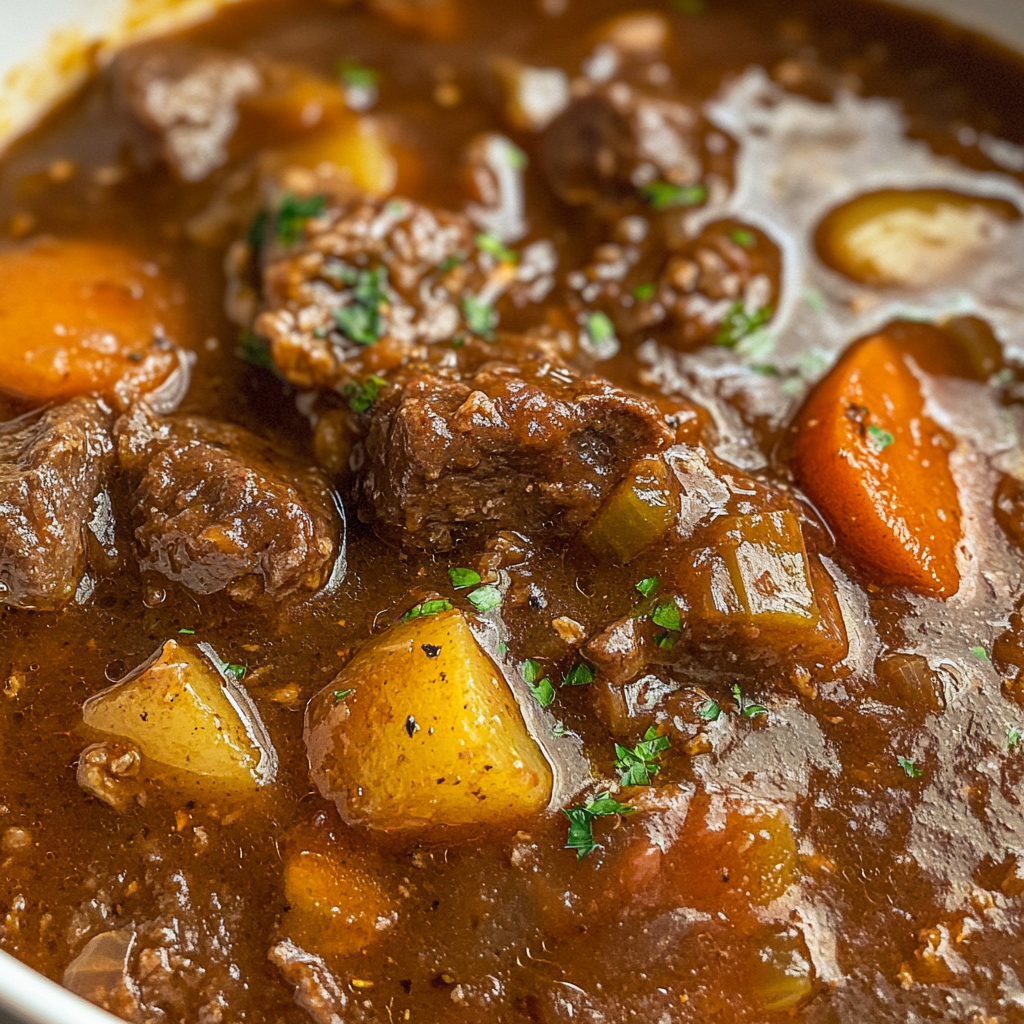
- Yukon Gold potatoes (they hold their shape better than russets)
- Carrots (cut into 1-inch pieces)
- Celery (large chunks)
- Pearl onions or chunked yellow onions
- Fresh garlic cloves
- Fresh herbs (thyme, rosemary, bay leaves)
The Liquid Elements
Creating depth of flavor requires:
- Good quality beef stock
- Dry red wine (optional but recommended)
- Worcestershire sauce
- Tomato paste
- Balsamic vinegar (secret ingredient)
The Method: Layering Flavors
Success in slow cooker beef stew comes from proper preparation and layering of flavors:
Initial Preparation
- Brown the meat in batches until deeply caramelized
- Sauté aromatics in the same pan
- Deglaze with wine or stock
- Layer ingredients thoughtfully in the slow cooker
Proper Layering
The order of ingredients matters:
- Root vegetables on the bottom
- Browned meat next
- Aromatics and herbs
- Liquids last
Timing and Temperature
Cooking Duration
- Low setting: 8-10 hours
- High setting: 4-6 hours
For best results, opt for the low and slow method. This allows:
- More complete collagen breakdown
- Better flavor development
- Superior texture in both meat and vegetables
Troubleshooting Common Issues
Too Much Liquid
Prevention:
- Use less liquid initially
- Remove lid for final hour
- Add cornstarch slurry if needed
Tough Meat
Solutions:
- Extend cooking time
- Cut meat into consistent sizes
- Ensure proper temperature
- Choose appropriate meat cuts
Mushy Vegetables
Avoid by:
- Cutting larger pieces
- Adding delicate vegetables later
- Using waxy potatoes
- Maintaining temperature control
Making It Your Own
Regional Variations
Customize your stew with regional influences:
- Irish: Add Guinness and parsnips
- French: Use herbs de Provence and red wine
- Italian: Include fennel and rosemary
- American: Add corn and green beans
Dietary Adaptations
Modify for different needs:
- Gluten-free: Use alternative thickeners
- Low-carb: Substitute root vegetables
- Paleo: Focus on meat and vegetables
- Whole30: Omit wine and worcestershire
Serving and Presentation
Accompaniments
Serve with:
- Crusty artisanal bread
- Creamy mashed potatoes
- Buttered egg noodles
- Fresh green salad
Garnishes
Finish with:
- Fresh herbs
- Gremolata
- Horseradish cream
- Crispy fried onions
Storage and Reheating
Short-term Storage
- Refrigerate up to 4 days
- Cool completely before storing
- Store in airtight containers
Freezing
- Freeze up to 3 months
- Label with date and contents
- Thaw overnight in refrigerator
- Reheat gently to maintain texture
The Social Aspect
Beef stew has always been a communal dish, perfect for:
- Family gatherings
- Meal trains
- Weekend batch cooking
- Cold weather entertaining
Health Benefits
Beyond its comfort food status, beef stew offers:
- High-quality protein
- Essential minerals
- Vegetable nutrients
- Balanced macronutrients
Looking Forward
As we continue to balance tradition with modern convenience, slow cooker beef stew represents the best of both worlds. It honors time-tested cooking methods while acknowledging contemporary needs for convenience and efficiency. The recipe can be endlessly adapted while maintaining its essential character: a hearty, satisfying meal that brings people together.
Whether you’re a busy professional looking for make-ahead meals, a home cook exploring traditional techniques, or simply someone who appreciates the comfort of a well-made stew, this dish offers something for everyone. By understanding the principles behind slow cooking and following these guidelines, you can create a beef stew that’s not just a meal, but a celebration of slow food in a fast-paced world.
Remember that the best stews are often the result of personal touches and adaptations. Don’t be afraid to experiment with different ingredients and techniques while respecting the fundamental principles that make this dish a timeless classic. After all, every great cook’s signature beef stew recipe started with understanding the basics and then making it their own.