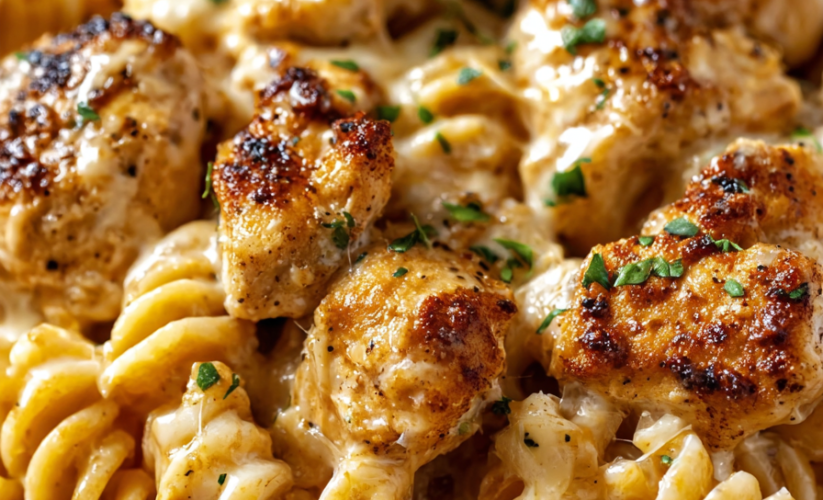
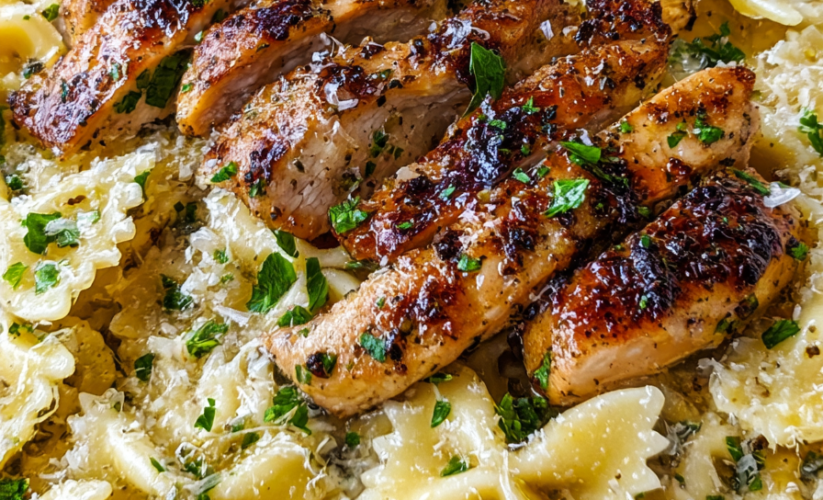
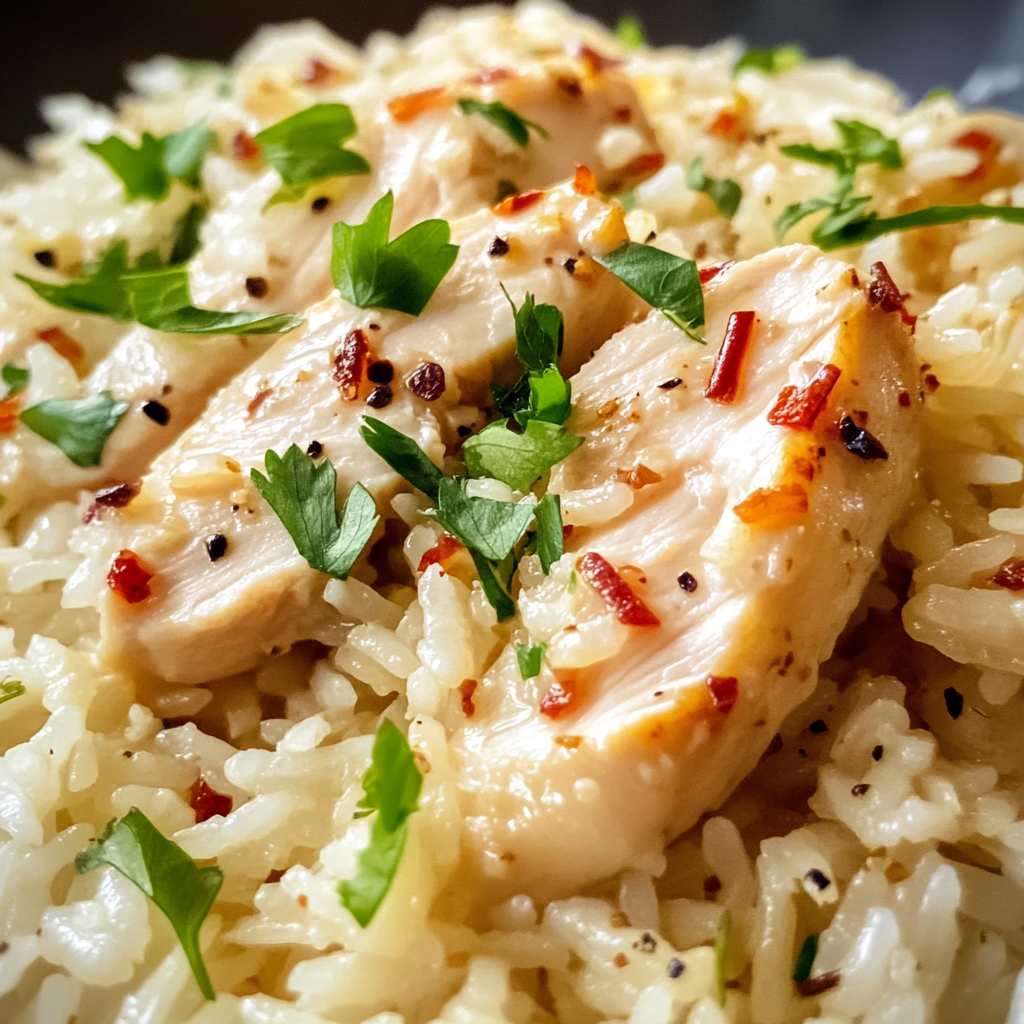
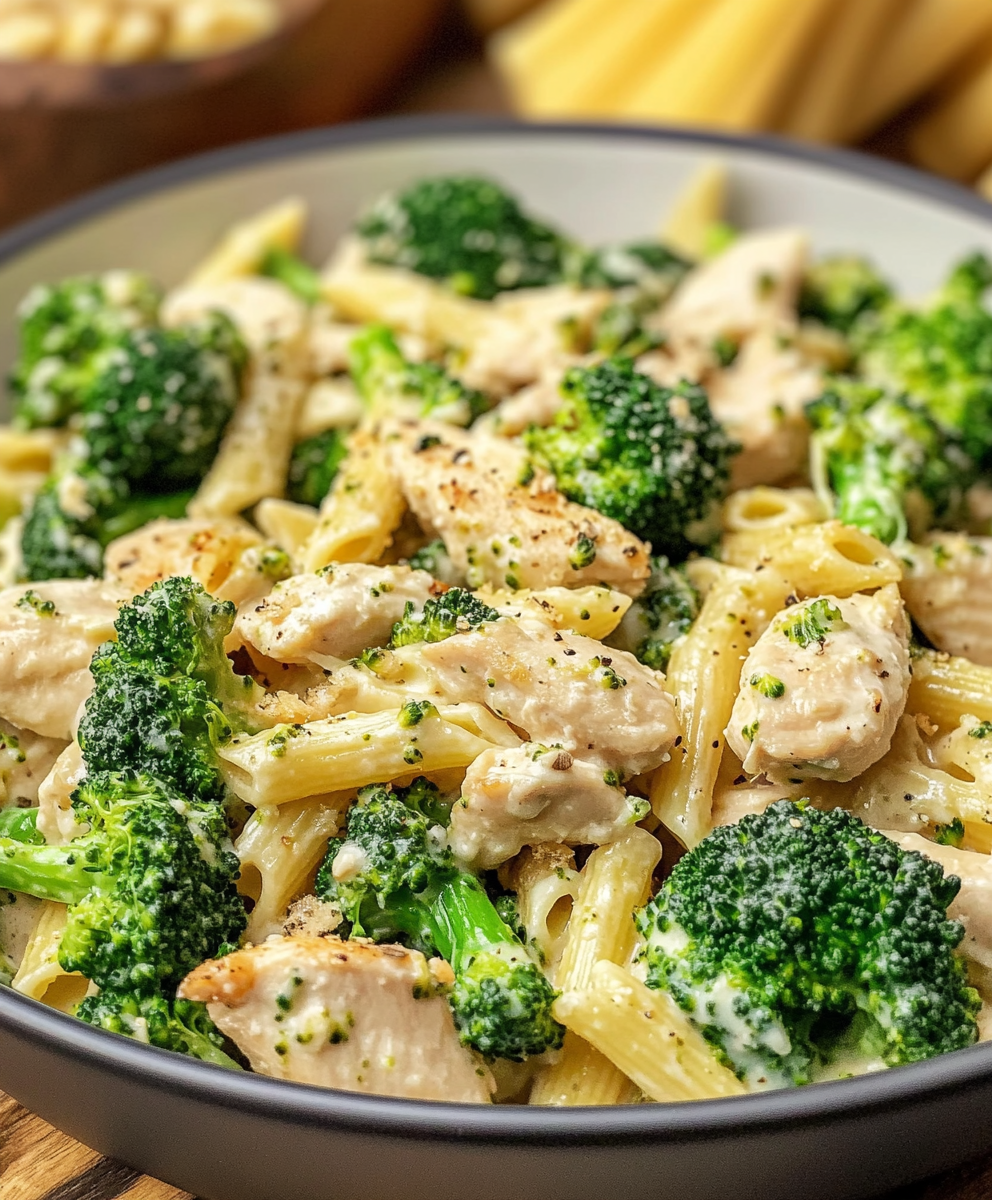
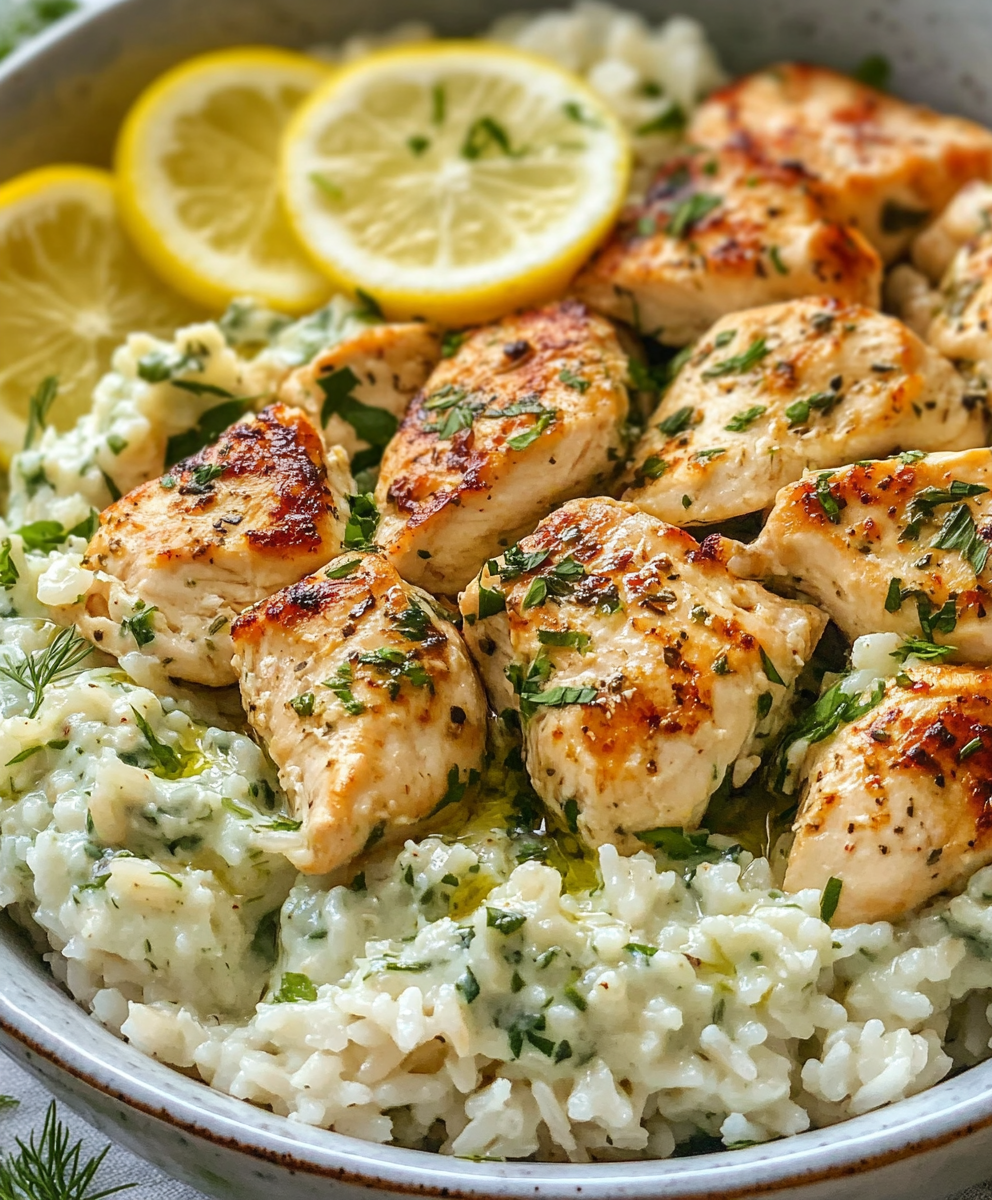
Glazed Herb Butter Chicken: The 20-Minute Dinner That Looks Like a Commercial

Introduction
Did you know that ” #foodporn ” has been tagged over 290 million times on Instagram? We are biologically wired to respond to visual cues of fat and tenderness. There is a specific satisfaction in watching a knife slide effortlessly through a piece of protein to reveal a glistening, juicy interior. Yet, for many home cooks, the reality of chicken breast is often disappointing: dry, stringy, and lackluster.
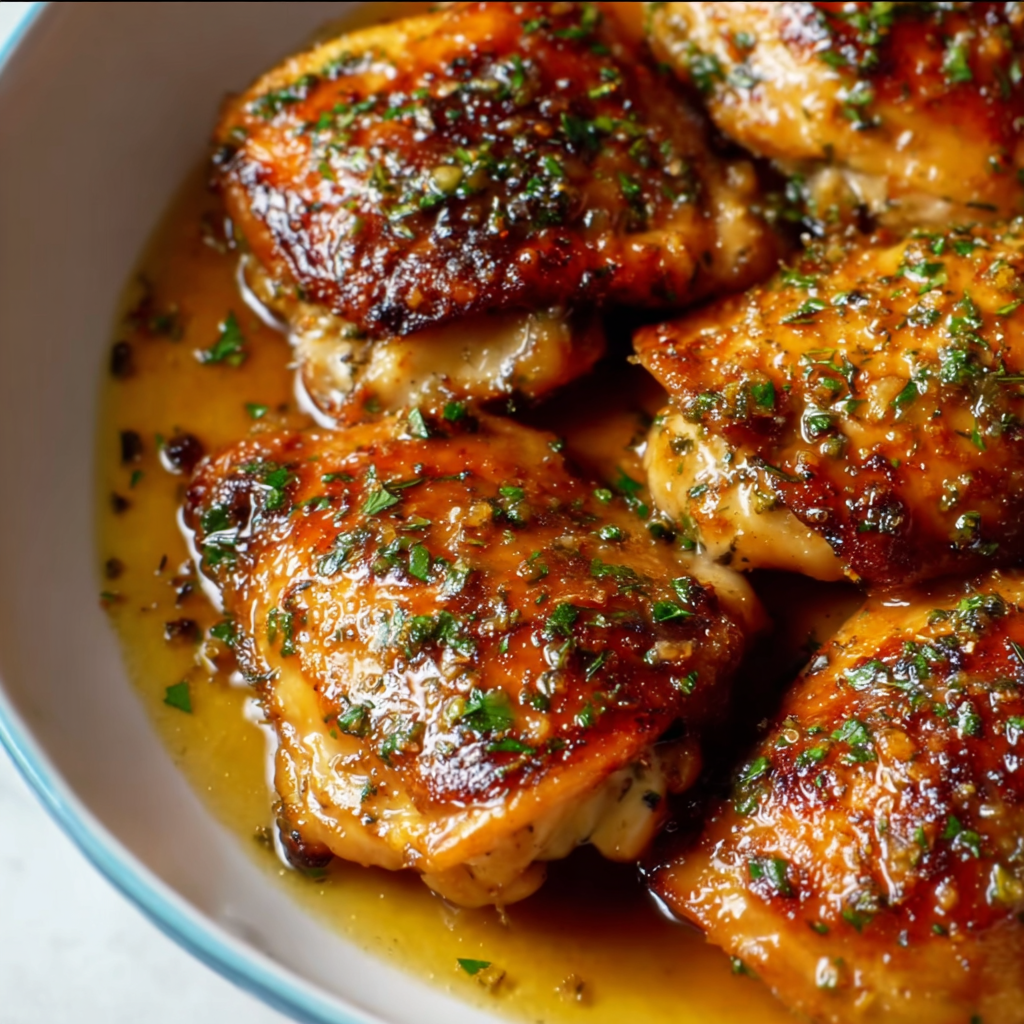
This recipe for Glazed Herb Butter Chicken is designed to recreate that perfect “broadcast commercial” moment in your own kitchen. By utilizing a French technique known as arroser (butter basting), we create a glossy, emulsified sauce that coats the meat while gently poaching it from the outside in. This method ensures that when you pierce the chicken with your fork, the juices don’t run out onto the plate—they stay suspended within the protein fibers. Whether you are looking to impress a date or simply upgrade your weeknight protein rotation, this recipe delivers a steakhouse-quality finish with supermarket ingredients.
Ingredients List
To achieve that “glossy” high-definition glaze and juicy interior, ingredient temperature and quality are non-negotiable. Here is your curated shopping list.
The Protein:
- 2 Large Chicken Breasts (approx. 1 lb): Boneless and skinless.
- Prep Note: We will butterfly or pound these to even thickness. This guarantees the center cooks at the same rate as the edges.
The Herb Butter Glaze:
- 4 Tablespoons Unsalted Butter: Cold, cut into cubes.
- The Science: Adding cold butter to a hot pan helps create a creamy emulsion rather than a greasy separation.
- 1 Tablespoon Olive Oil: To start the sear without burning the butter.
- 4 Cloves Garlic: Smashed, skins removed.
- 3 Sprigs Fresh Thyme & 2 Sprigs Fresh Rosemary:
- Sensory Note: Fresh herbs contain volatile oils that release into the hot fat, perfuming the entire dish. Dried herbs will burn and taste bitter here.
- ½ Lemon (Juice): The acid is essential to cut the fat and brighten the glaze.
- Salt and Black Pepper: Coarse Kosher salt is best for creating a crust.
- Optional: A splash of chicken broth to extend the sauce.
Substitutions:
- Herbs: Sage or Oregano are excellent semantic variations for a deeper, earthier flavor profile.
- Dairy-Free: High-quality vegan butter blocks work well for basting, though the browning (Maillard reaction) on the butter solids won’t occur.
Timing
This recipe moves fast. Have all ingredients prepped (mise en place) before turning on the stove.
- Preparation Time: 10 minutes
- Cooking Time: 15 minutes
- Resting Time: 5 minutes (Crucial)
- Total Time: 30 minutes
Data Insight: Pan-searing chicken is 40% faster than baking it in the oven, and because of the direct contact heat, it produces 3x more flavor compounds on the surface crust.
Step-by-Step Instructions
Step 1: Structural Uniformity
Place the chicken breasts on a cutting board. Cover with plastic wrap. Use a meat mallet or a heavy rolling pin to pound them to an even ¾-inch thickness.
- Why? Uniform thickness prevents the “dry edges, raw center” phenomenon. Pat the chicken completely dry with paper towels (moisture prevents searing) and season generously with salt and pepper on both sides.
Step 2: The Hard Sear
Heat the olive oil in a large stainless steel or cast-iron skillet over medium-high heat. When the oil shimmers and creates wisps of smoke, place the chicken in the pan.
- The Discipline: Do not touch it. Let it cook undisturbed for 4–5 minutes. You are looking for a deep golden-brown crust. Flip the chicken.
Step 3: The “Arroser” (Butter Basting)
Reduce the heat to medium. Add the smashed garlic, thyme, and rosemary to the pan (place them in the oil, not on top of the chicken).
- The Glaze: Add the cold butter cubes. As they melt and foam, tilt the pan slightly so the butter pools at the bottom with the herbs and garlic.
- Action: Using a large spoon, continuously scoop the foaming herb butter and pour it over the chicken. Repeat this rhythmic basting for 3–4 minutes. This cooks the chicken gently from the top while flavoring it.
Step 4: Finishing the Sauce
Check the internal temperature. When it reaches 160°F (71°C), remove the chicken to a plate.
- The Emulsion: Squeeze the lemon juice into the hot butter left in the pan. Swirl vigorously to create a glossy, cohesive pan sauce. Discard the garlic and herb stems.
Step 5: The Rest Phase
Pour the hot herb butter sauce over the resting chicken. Let it sit for 5 minutes.
- Physics: As the meat cools slightly, the muscle fibers relax and reabsorb the juices. If you cut it now, the juice runs out. If you wait, the juice stays in.
Nutritional Information
This is a keto-friendly, high-protein meal. Here is the estimated breakdown per serving:
| Nutrient | Amount | % Daily Value |
| Calories | 420 kcal | – |
| Protein | 48g | 96% |
| Total Fat | 22g | 33% |
| Carbohydrates | 2g | <1% |
| Sodium | 650mg | 27% |
Data Insight: Chicken breast is one of the most bioavailable sources of protein. By cooking it in healthy fats (butter/oil) and herbs, you increase the absorption of fat-soluble vitamins without adding processed carbohydrates.
Healthier Alternatives for the Recipe
Adapt Glazed Herb Butter Chicken to fit specific dietary goals:
- Lower Saturated Fat:
- Use Ghee (Clarified Butter). It has a nutty flavor and higher smoke point but lacks the milk solids.
- Use less butter (1 tbsp) and supplement with extra broth to create volume in the sauce.
- Garlic-Free (Low FODMAP):
- Infuse the oil with garlic before cooking, then remove the cloves entirely.
- Heart Health:
- Swap butter for Avocado Oil. It won’t glaze the same way, but it will still carry the herb flavors nicely.
Serving Suggestions
Since the chicken is the star, keep the sides simple to let the glaze shine.
- The Video Look: Serve on a stark white plate. Pair with Garlic Mashed Potatoes or a smooth parsnip puree to catch the extra butter sauce.
- The Green: Roasted Asparagus or Sautéed Green Beans with almonds provide a necessary crunch.
- Carb Loading: Serve over a bed of buttery orzo or fettuccine to soak up the herb liquid.
Common Mistakes to Avoid
Don’t let simple errors ruin your broadcast-quality dinner.
- Burning the Butter:
- The Error: Keeping the heat on “High” after adding the butter.
- The Result: Black, bitter, burnt butter solids.
- The Fix: Turn the heat down to medium or medium-low before adding the dairy.
- Crowding the Pan:
- The Error: Using a pan that is too small.
- The Result: The chicken steams instead of searing, resulting in gray, rubbery meat.
- The Fix: Use a 12-inch skillet and leave space between pieces.
- Using Dried Herbs:
- The Error: Sprinkling dried thyme into the hot butter.
- The Result: They will burn instantly and feel like grit in the sauce.
- The Fix: Use fresh sprigs only for the basting step.
Storing Tips for the Recipe
This chicken makes for excellent leftovers if handled correctly.
- Refrigeration: Store in an airtight container with the sauce for up to 3–4 days.
- Reheating:
- Best: Gently warm in a skillet over low heat with a splash of water or broth. Cover to steam.
- Avoid: High-power microwave. It will separate the butter emulsion and dry out the protein fibers.
- Freezing: You can freeze the cooked chicken, but the butter sauce may break upon thawing. It is best to freeze the chicken dry and make a fresh sauce when reheating.
Conclusion
Glazed Herb Butter Chicken is the ultimate proof that you don’t need a sous-vide machine or a commercial kitchen to create food that looks and tastes expensive. By mastering the simple art of the pan-sear and butter baste, you transform humble chicken breasts into a centerpiece meal—glossy, fragrant, and perfectly juicy.
Summary: A 30-minute restaurant-quality recipe featuring pan-seared chicken breasts finished with a garlic, thyme, and rosemary butter glaze. High protein and keto-friendly.
Ready for the perfect bite?
Grab some fresh thyme on your way home! Rate this recipe 5 stars if you nailed the glossy glaze, and leave a comment below: what is your favorite herb to pair with chicken? Subscribe for more chef techniques decoded for home cooks!
FAQs
Can I use chicken thighs?
Yes, absolutely. In fact, chicken thighs are more forgiving and harder to overcook. You may need to increase the searing time by 2–3 minutes per side as they take longer to cook through than pounded breasts.
Why is my sauce greasy instead of creamy?
This means the emulsion broke. It usually happens if the pan was too hot or if there wasn’t enough liquid (lemon juice/broth) to bind with the fat. To fix it, remove from heat, add a teaspoon of cold water, and whisk vigorously.
Can I chop the garlic instead of smashing it?
If you chop the garlic, it is likely to burn during the 4-minute basting process, turning bitter. Smashing the clove releases the flavor into the fat while keeping the garlic piece large enough to withstand the heat without burning.
Is this recipe spicy?
No, it is savory and herbaceous. If you want heat, add a pinch of red pepper flakes to the oil in Step 2.