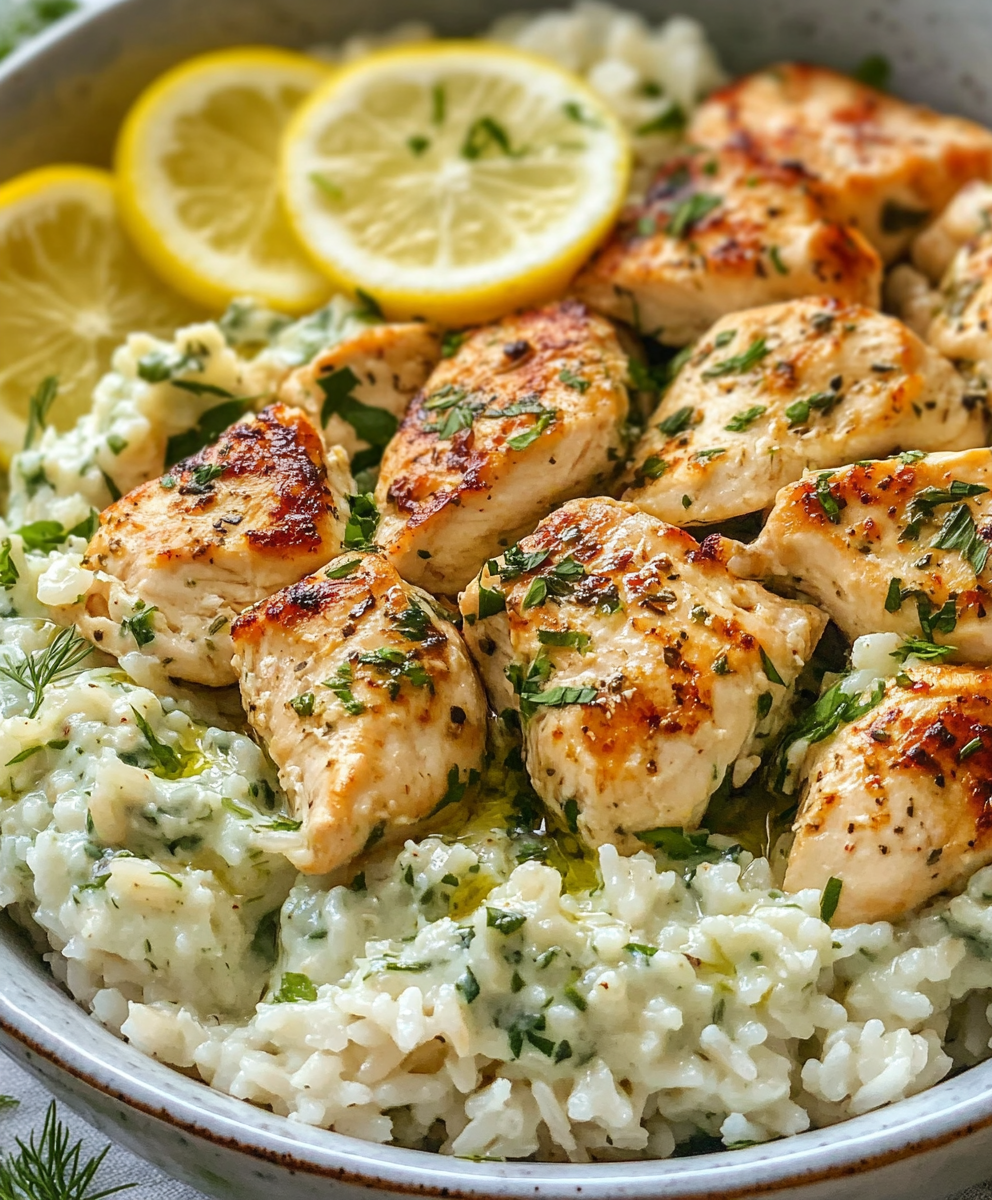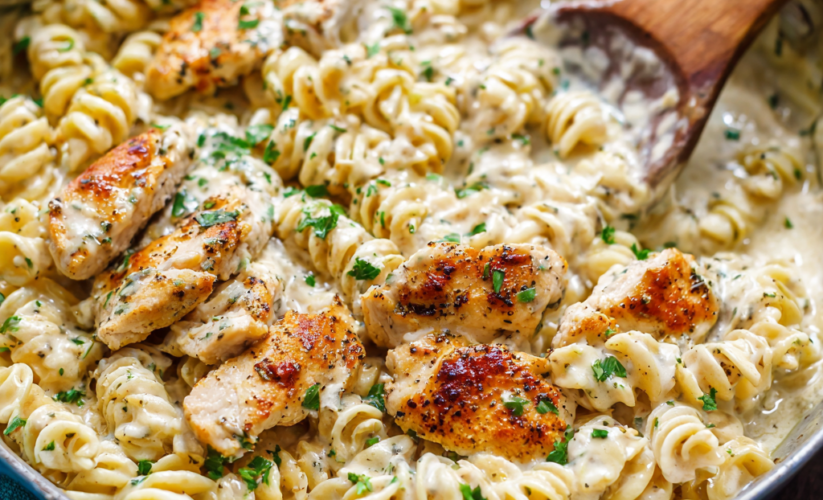
Creamy Chicken Pasta: The Ultimate 30-Minute Comfort Dinner

Introduction
Did you know that pasta consumption has seen a resurgence of over 25% in home kitchens post-pandemic? It seems that in times of stress or busy schedules, we collectively turn to one thing: carbohydrates coated in dairy. However, the difference between a sad, gluey bowl of noodles and a glossy, restaurant-quality Creamy Chicken Pasta often comes down to one scientific principle: emulsification.
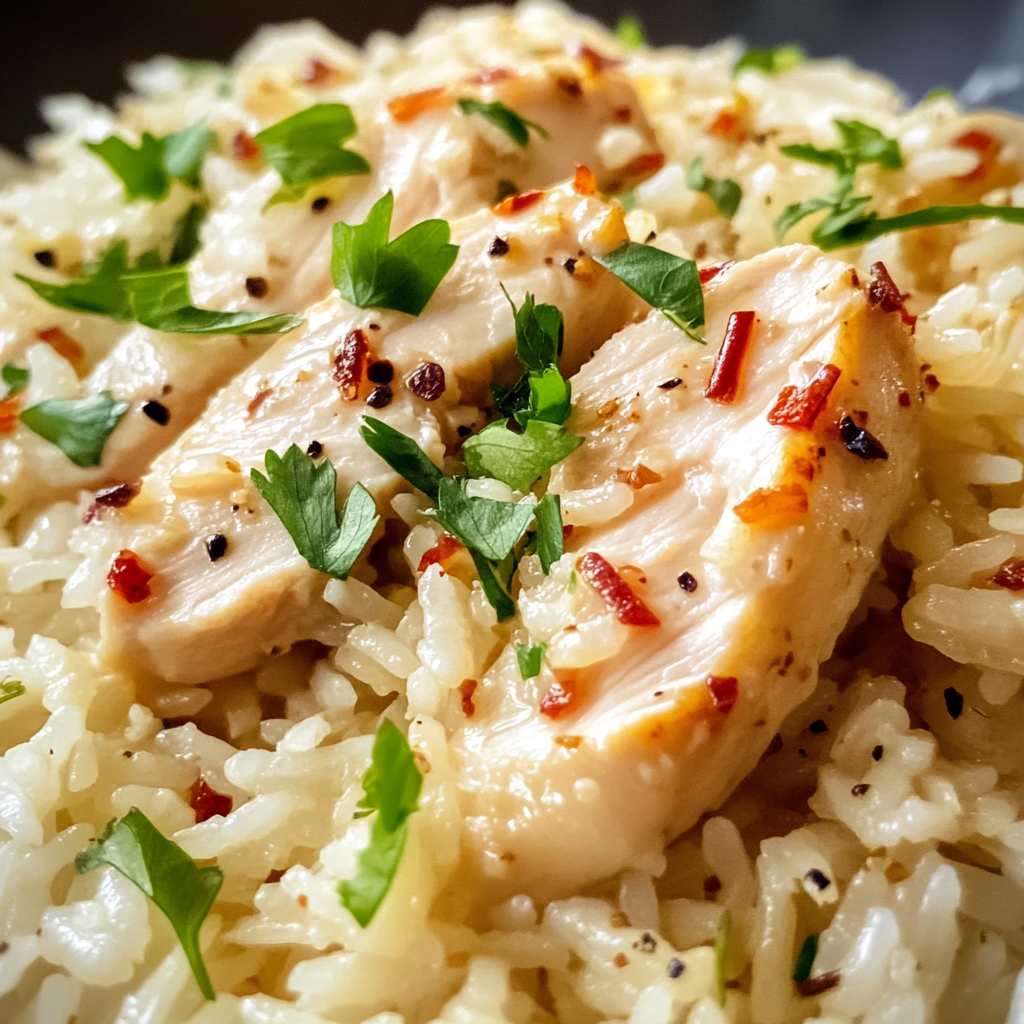
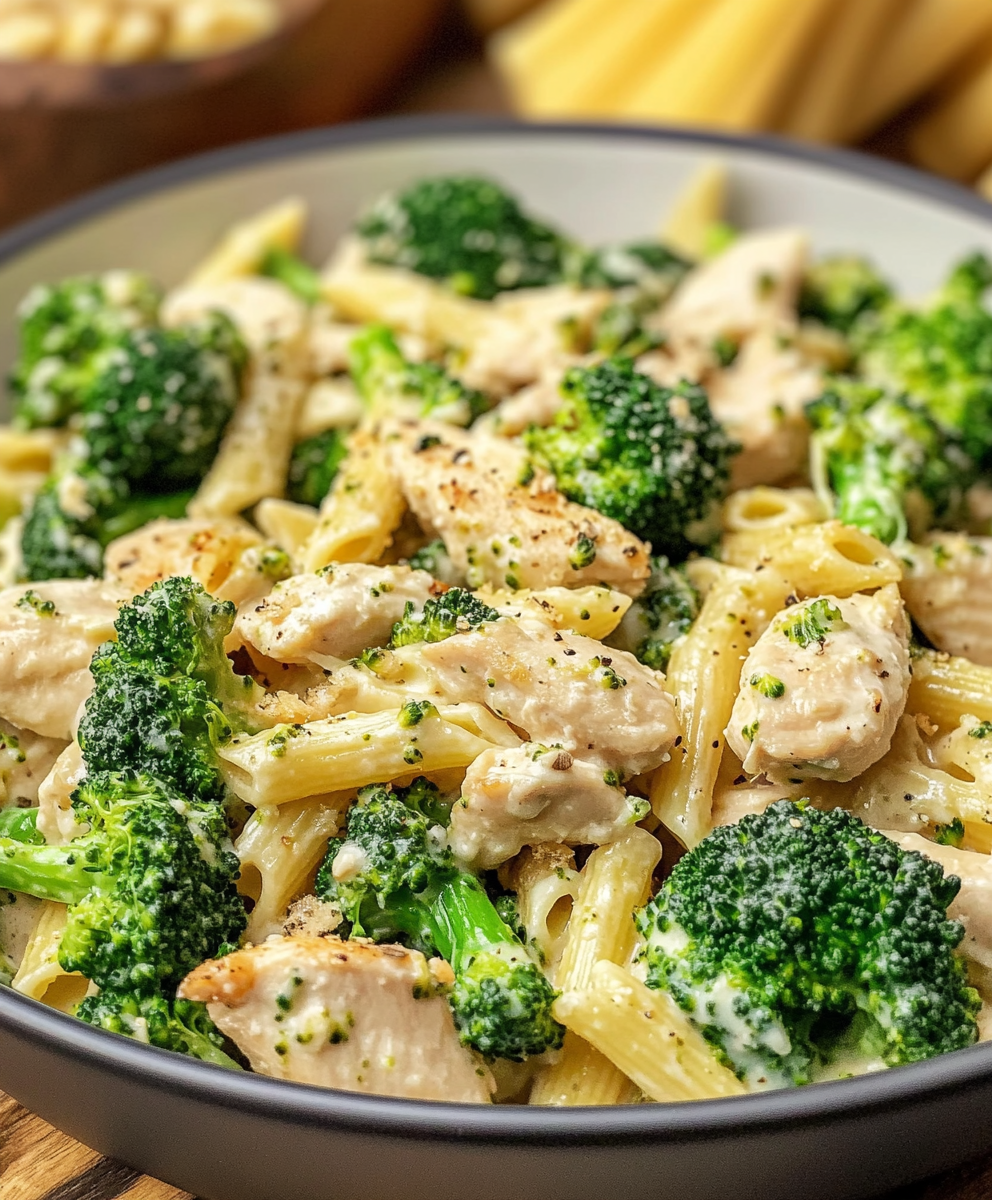
This recipe is not just another “dump and bake” casserole. It is a masterclass in utilizing starchy pasta water—often called “liquid gold”—to bind fats and liquids into a cohesive, velvety sauce that clings to every noodle. Whether you are craving a cozy weeknight meal that beats Italian takeout delivery times or need a reliable crowd-pleaser for picky eaters, this dish delivers high-protein satisfaction with a luxurious texture. Let’s break down the chemistry of the perfect cream sauce.
Ingredients List
To achieve a sauce that is rich without being cloying, we balance fat with aromatics. Here is your curated shopping list for the best Creamy Chicken Pasta.
The Core Components
- 1 lb (450g) Chicken Breast or Thighs: Boneless, skinless.
- Sensory Note: Chicken thighs are more forgiving and flavorful, while breasts are leaner. Slice them into thin strips or bite-sized cubes for even cooking.
- 12 oz (340g) Short Pasta: Penne, Fusilli, or Farfalle (Bowties).
- Why Short? Tubular or ridged shapes hold thicker cream sauces better than long strands like spaghetti, maximizing the sauce-to-pasta ratio in every bite.
- 2 Tablespoons Olive Oil: For searing the meat.
- 2 Tablespoons Butter: For the sauce base.
The Cream Sauce
- 4 Cloves Garlic, Minced: Do not use jarred garlic; the fresh allicin compound is essential for cutting through the rich cream.
- 1 ½ Cups Heavy Cream (Double Cream): The high fat content prevents curdling when heated.
- ½ Cup Chicken Broth: Adds savory depth and lightens the texture slightly.
- 1 Cup Parmesan Cheese: Freshly grated.
- Critical: Do not use pre-shredded cheese with anti-caking agents (cellulose). These agents prevent the cheese from melting smoothly, resulting in a gritty sauce.
- 1 Teaspoon Italian Seasoning (Dried Oregano/Basil/Thyme).
- ½ Teaspoon Red Pepper Flakes: Optional, for a subtle background heat.
- Salt and Black Pepper: To taste.
- Fresh Parsley: For a bright, herbaceous finish.
Substitutions:
- Dairy-Free: Use full-fat canned coconut milk and nutritional yeast for a vegan cream sauce alternative, though the flavor profile will shift slightly nutty.
- Gluten-Free: Use brown rice pasta or chickpea pasta. Note: Chickpea pasta releases more starch, so reserve less pasta water.
Timing
This recipe is optimized for the “hangry” weeknight rush, utilizing concurrent cooking.
- Preparation Time: 10 minutes
- Cooking Time: 20 minutes
- Total Time: 30 minutes
Data Insight: The average delivery time for Italian food in metro areas is 45–55 minutes. By making this at home, you save roughly 40% of the wait time and approximately $15 per serving compared to restaurant prices.
Step-by-Step Instructions
Step 1: The Pasta Foundation
Bring a large pot of salted water to a rolling boil. Add the pasta and cook until al dente (usually 1-2 minutes less than the package instructions).
- Crucial Step: Before draining, reserve 1 cup of the starchy pasta water. This is the emulsifier that will glue your sauce together. Drain the pasta and set aside.
Step 2: Searing the Protein
While the pasta boils, season the chicken strips generously with salt, pepper, and Italian seasoning. Heat the olive oil in a large skillet over medium-high heat.
- The Maillard Reaction: Add the chicken in a single layer. Cook for 3–4 minutes per side until golden brown. Don’t crowd the pan, or the chicken will steam instead of sear. Remove chicken and set aside.
Step 3: Building the Flavor Base
Reduce the heat to medium. In the same pan (don’t wash it—those brown bits are flavor!), melt the butter. Add the minced garlic and sauté for 45 seconds until fragrant but not browned.
- Deglazing: Pour in the chicken broth and scrape the bottom of the pan with a wooden spoon to release the “fond” (caramelized chicken bits).
Step 4: The Cream Reduction
Pour in the heavy cream. Bring to a gentle simmer (do not boil violently). Let it reduce for 3–5 minutes.
- Texture Check: The liquid should thicken slightly and coat the back of a spoon.
Step 5: The Melt
Lower the heat to low. Stir in the freshly grated Parmesan cheese. Stir constantly until smooth.
- Why Low Heat? High heat causes the proteins in the cheese to seize and separate from the fat, creating an oily, clumped mess.
Step 6: The Emulsion & Assembly
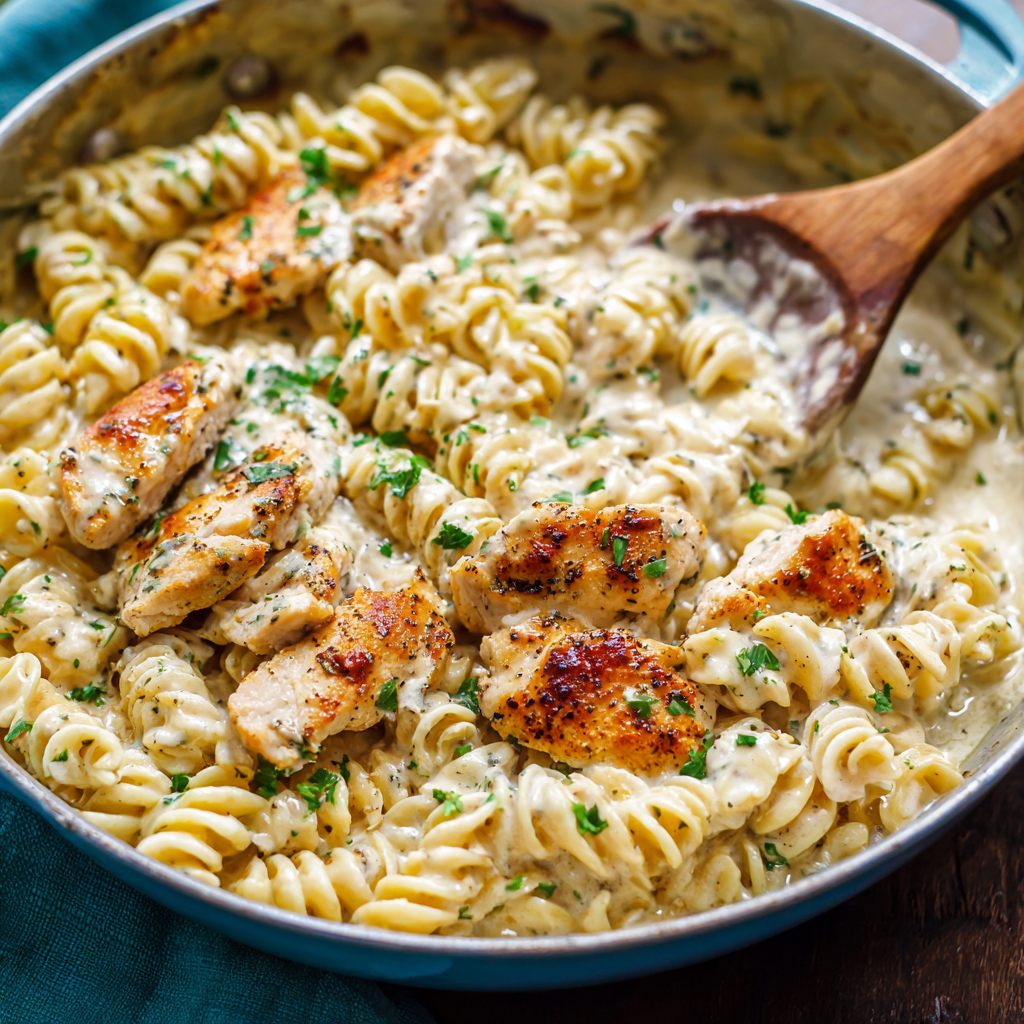
Add the cooked pasta and the seared chicken back into the skillet. Pour in ¼ cup of the reserved pasta water. Toss vigorously.
- The Magic: The starch in the water combines with the fat in the cream and cheese to create a glossy, cohesive sauce. If it looks too thick, add more water. Garnish with fresh parsley.
Nutritional Information
While creamy pasta is an indulgence, it provides significant energy. Here is the estimated breakdown per serving:
| Nutrient | Amount | % Daily Value |
| Calories | 680 kcal | – |
| Protein | 38g | 76% |
| Total Fat | 35g | 53% |
| Carbohydrates | 52g | 19% |
| Calcium | 350mg | 35% |
| Sodium | 650mg | 28% |
Data Insight: This dish provides high satiety due to the combination of protein (chicken) and fats (cream/cheese), which slows digestion compared to a simple marinara pasta, keeping you fuller for longer.
Healthier Alternatives for the Recipe
You can lighten this Creamy Chicken Pasta without losing the comfort factor:
- The Yogurt Swap: Substitute half the heavy cream with Greek Yogurt.
- Technique: Remove the pan from heat before stirring in the yogurt to prevent curdling. This boosts protein and lowers saturated fat.
- Veggie Loaded: Add 2 cups of fresh spinach or broccoli florets during the last 2 minutes of the pasta boiling time. This adds volume and micronutrients without dirtying another pot.
- Whole Grains: Use whole wheat pasta to increase fiber intake to approx 8g per serving.
Serving Suggestions
Balance the richness of the cream with texture and acid.
- The Acid Cut: Serve with a side of Arugula Salad dressed in lemon vinaigrette. The peppery greens and acid cut through the dairy fat on the palate.
- The Crunch: Garlic bread is classic, but for a lighter crunch, try roasted asparagus or green beans with almonds.
- Wine Pairing: A buttery Chardonnay or a crisp Pinot Grigio pairs beautifully with the Parmesan and cream profile.
Common Mistakes to Avoid
Sauces based on emulsion are temperamental. Avoid these errors:
- Overcooking the Pasta:
- The Error: Boiling pasta until soft.
- The Result: The pasta turns to mush when tossed in the hot sauce.
- The Fix: Cook to al dente. The pasta will finish cooking in the sauce.
- Using Cold Cheese:
- The Error: Adding cheese straight from the fridge.
- The Result: The temperature shock creates lumps.
- The Fix: Grate the cheese while the pasta boils so it comes to room temperature.
- Rinsing the Pasta:
- The Error: Rinsing cooked pasta under cold water.
- The Result: You wash away the starch needed for the sauce to stick. The sauce will slide right off the noodles.
- The Fix: Never rinse pasta for warm dishes!
Storing Tips for the Recipe
Cream sauces can separate when reheated, but they can be saved.
- Refrigeration: Store in an airtight container for 3–4 days.
- Reheating:
- Microwave: Splash a tablespoon of water or milk over the pasta before microwaving to add moisture back.
- Stove: Reheat gently on low heat with a splash of milk, stirring constantly to re-emulsify the sauce.
- Freezing: Not recommended. Cream sauces tend to become grainy and separate when thawed because the ice crystals break the fat emulsion.
Conclusion
This Creamy Chicken Pasta proves that you don’t need a culinary degree to master a classic white sauce. By understanding the role of heat management and starchy water, you can create a meal that is comforting, sophisticated, and incredibly satisfying. It’s the perfect recipe to have in your back pocket for busy nights or impromptu dinner guests.
Summary: A 30-minute, high-protein dinner featuring tender seared chicken and pasta tossed in a luxurious garlic-parmesan cream sauce.
Ready to ditch the jarred sauce?
Get your water boiling! Rate this recipe 5 stars if you nailed the creamy texture, and leave a comment below: do you add broccoli or keep it classic? Subscribe for more science-backed comfort food recipes!
FAQs
Can I use half-and-half or milk instead of heavy cream?
Yes, but the sauce will be thinner. If using milk, you will need to make a roux (cook equal parts butter and flour) at the beginning of Step 3 before adding the milk to thicken it. Heavy cream reduces naturally; milk does not.
Can I make this Cajun style?
Absolutely. This is a very popular variation. Simply add 1 tablespoon of Cajun seasoning to the chicken before searing and another teaspoon into the cream sauce. It adds a smoky, spicy kick that pairs perfectly with the dairy.
Why is my sauce stringy?
Stringy sauce usually happens if the cheese was added when the pan was too hot, or if you used mozzarella instead of Parmesan. Parmesan melts into a sauce; mozzarella melts into strings. Ensure the heat is on low and use hard, aged cheeses.
Can I use rotisserie chicken?
Yes! This is a great time-saver. Skip Step 2. Sauté the garlic in butter, make the sauce, and toss in the shredded rotisserie chicken at the end just to warm it through. This cuts the cooking time down to 15 minutes.