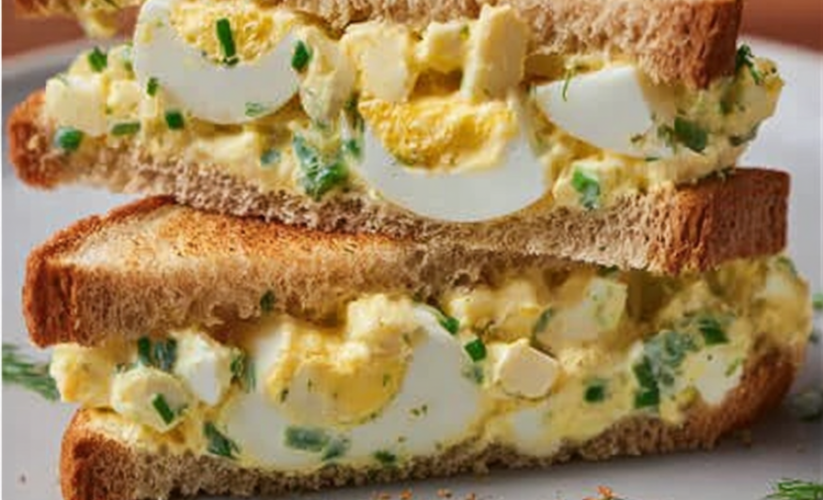
Classic Egg Salad Sandwiches

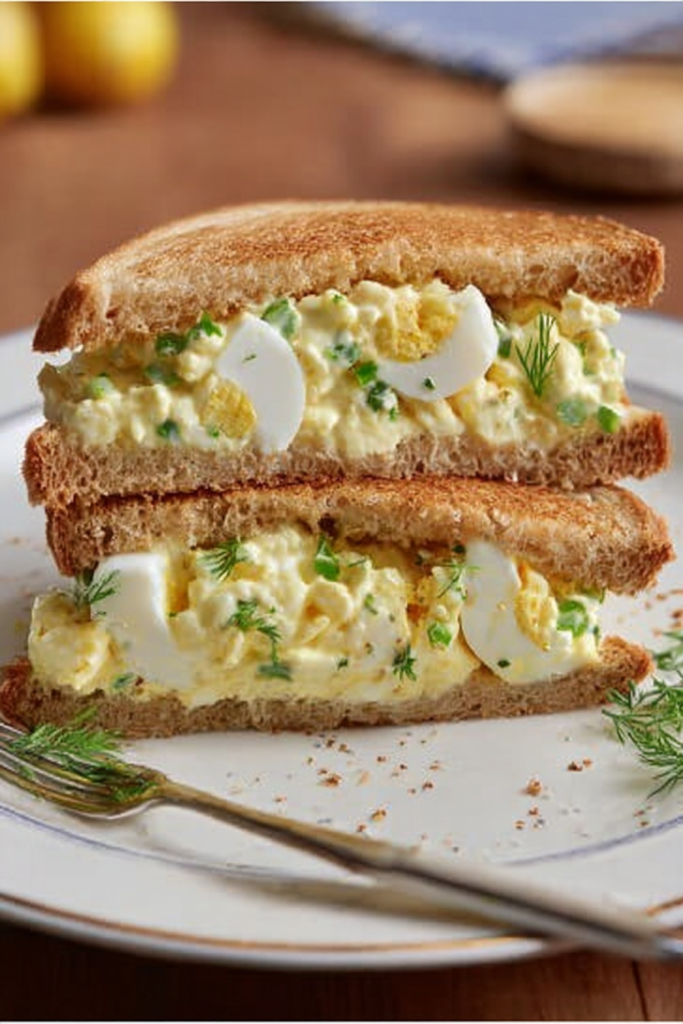
This timeless egg salad recipe transforms simple hard-boiled eggs into a creamy, flavorful filling that rivals any deli counter, using just a handful of pantry staples and delivering satisfying results every single time. The secret to its success lies in perfectly cooked eggs—tender whites and creamy yolks with no green ring—combined with just enough mayonnaise to bind everything together without drowning the egg flavor, while green onions and mustard provide brightness and tang that prevent the salad from tasting flat or one-dimensional. Seasoned simply with paprika, salt, and pepper, this classic recipe serves as both a reliable go-to and a perfect foundation for endless variations, making it ideal for quick lunches, picnics, potlucks, or any occasion when you need something satisfying and comforting.
Why You’ll Love This Recipe
Foolproof hard-boiled eggs – The covered simmering method ensures perfectly cooked eggs every time—no rubbery whites, no chalky yolks, no green ring around the yolk that indicates overcooking.
Simple ingredient list – With just six basic ingredients you likely already have in your refrigerator, this recipe proves that delicious food doesn’t require complicated shopping lists or exotic ingredients.
Versatile serving options – Enjoy as traditional sandwiches on soft bread, serve on crackers for appetizers, stuff into hollowed tomatoes or avocados, wrap in lettuce for low-carb option, or pile on top of salad greens.
Make-ahead convenience – Prepare the egg salad up to four days in advance and store refrigerated, then simply scoop and serve when hunger strikes—perfect for meal prep or feeding crowds.
Budget-friendly protein – Eggs are one of the most affordable protein sources available, making this recipe economical for feeding families, packing school lunches, or stretching grocery budgets without sacrificing nutrition or taste.
Customizable foundation – Once you master the basic recipe, easily adapt it with pickles, celery, herbs, different mustards, or spices to create your perfect personalized version that suits your taste preferences.
Ingredients You’ll Need
For the Egg Salad
8 large eggs – The star ingredient providing protein, richness, and substance; choose fresh eggs for easiest peeling and best flavor—older eggs actually peel more easily than very fresh ones
½ cup mayonnaise – Creates the creamy binding that holds everything together; use full-fat mayonnaise for best flavor and texture, though light mayo works if you prefer
¼ cup chopped green onion – Also called scallions, both the white and light green parts add mild onion flavor, slight crunch, and bright color flecks throughout; use just the white parts if you prefer stronger onion taste
1 teaspoon prepared yellow mustard – Standard yellow mustard provides tangy brightness and slight sharpness that prevents the salad from tasting too rich; Dijon mustard offers more sophisticated flavor if preferred
¼ teaspoon paprika – Adds subtle warmth, beautiful color, and slight smokiness; use sweet paprika (standard) or smoked paprika for more pronounced flavor
Salt and pepper to taste – Essential for enhancing all flavors; start with ¼ teaspoon salt and ⅛ teaspoon freshly ground black pepper, then adjust after tasting
Step-by-Step Instructions
Prepare to boil the eggs Place the 8 large eggs in a single layer in a medium saucepan—they should fit comfortably without stacking. Cover the eggs completely with cold water, filling the pan until water is about 1 inch above the eggs. The cold water start is crucial for even cooking and easier peeling.
Bring to a boil and remove from heat Place the saucepan over high heat and bring the water to a full, rolling boil—you’ll see large bubbles breaking the surface throughout the pan. As soon as the water reaches a full boil, immediately remove the pan from the heat source. Don’t let the eggs continue boiling, as this causes rubbery whites and chalky yolks with that unappetizing green-gray ring around the yolk.
Cover and let stand Immediately cover the saucepan with a tight-fitting lid as soon as you remove it from heat. Let the eggs stand in the hot water, covered and undisturbed, for exactly 10-12 minutes. This gentle, residual heat cooking method ensures perfectly tender whites and creamy yolks without overcooking—set a timer to avoid guessing.
Cool the eggs After the 10-12 minutes, drain the hot water from the pan. Immediately run cold water over the eggs or transfer them to a bowl of ice water to stop the cooking process—this rapid cooling also makes peeling easier by causing the egg to contract slightly away from the shell membrane. Let the eggs sit in cold water for at least 5 minutes until completely cooled.
Peel the eggs Once cool, gently tap each egg all over on the counter to create fine cracks throughout the shell. Roll the egg gently between your hands to loosen the shell, then peel starting from the wider end (where the air pocket is located) under cool running water—the water helps separate the membrane from the egg white. Don’t worry if a few eggs don’t peel perfectly; they’ll be chopped anyway.
Chop the eggs Place the peeled eggs on a cutting board. Using a sharp knife, chop the eggs into approximately ¼ to ½-inch pieces—you want varied sizes from fine crumbles to chunky pieces for interesting texture. Some people prefer using an egg slicer, then turning the egg 90 degrees and slicing again for uniform cubes, or mashing with a fork for finer texture.
Combine all ingredients Transfer the chopped eggs to a medium mixing bowl. Add the ½ cup mayonnaise, ¼ cup chopped green onion, 1 teaspoon yellow mustard, and ¼ teaspoon paprika. Using a rubber spatula or large spoon, stir gently but thoroughly to combine all ingredients, ensuring the mayonnaise coats all the egg pieces evenly—this should take about 30 seconds of mixing.
Season and adjust Add a few pinches of salt and freshly ground black pepper to taste, starting conservatively with about ¼ teaspoon salt and ⅛ teaspoon pepper. Stir to incorporate, then taste and adjust seasoning as needed—remember you can always add more but can’t remove it. If the mixture seems too dry, add mayonnaise 1 tablespoon at a time; if too wet, add another chopped hard-boiled egg.
Chill and serve For best flavor, cover the egg salad and refrigerate for at least 30 minutes before serving to allow flavors to meld. When ready to eat, stir briefly, then serve on your favorite bread (white, wheat, sourdough, croissants), crackers, lettuce cups, or atop salad greens. The egg salad is ready to eat immediately but tastes even better after chilling.
Recipe Notes & Tips
Egg cooking timing matters – For large eggs, 10 minutes yields slightly softer yolks while 12 minutes creates fully firm yolks; adjust timing if using extra-large eggs (add 1-2 minutes) or medium eggs (reduce by 1 minute).
Older eggs peel easier – Eggs that are 7-10 days old peel more easily than very fresh eggs because the pH changes and the membrane loosens; if possible, buy eggs a week before making egg salad.
Green onion alternatives – Substitute ¼ cup finely diced red onion, yellow onion, shallots, or 2 tablespoons chives if you don’t have green onions; each provides slightly different flavor intensity.
Mustard variations – Swap yellow mustard for Dijon, whole grain, or spicy brown mustard for different flavor profiles; start with the same amount and adjust to taste.
Texture preferences – For creamier egg salad, mash eggs with a fork or potato masher instead of chopping; for chunkier version, chop into larger ½ to ¾-inch pieces.
Storage and food safety – Store egg salad in an airtight container in the refrigerator for up to 4 days; never leave at room temperature for more than 2 hours to prevent bacterial growth.
Nutritional Information
Prep Time: 5 minutes
Cook Time: 10-12 minutes (standing time in hot water)
Total Time: 20-25 minutes (including cooling time)
Servings: 4 servings (approximately ¾ cup egg salad per serving)
Calories per serving: Approximately 333 kcal (based on standard ingredients; using light mayonnaise reduces by approximately 80-100 calories per serving)
Perfect Pairings
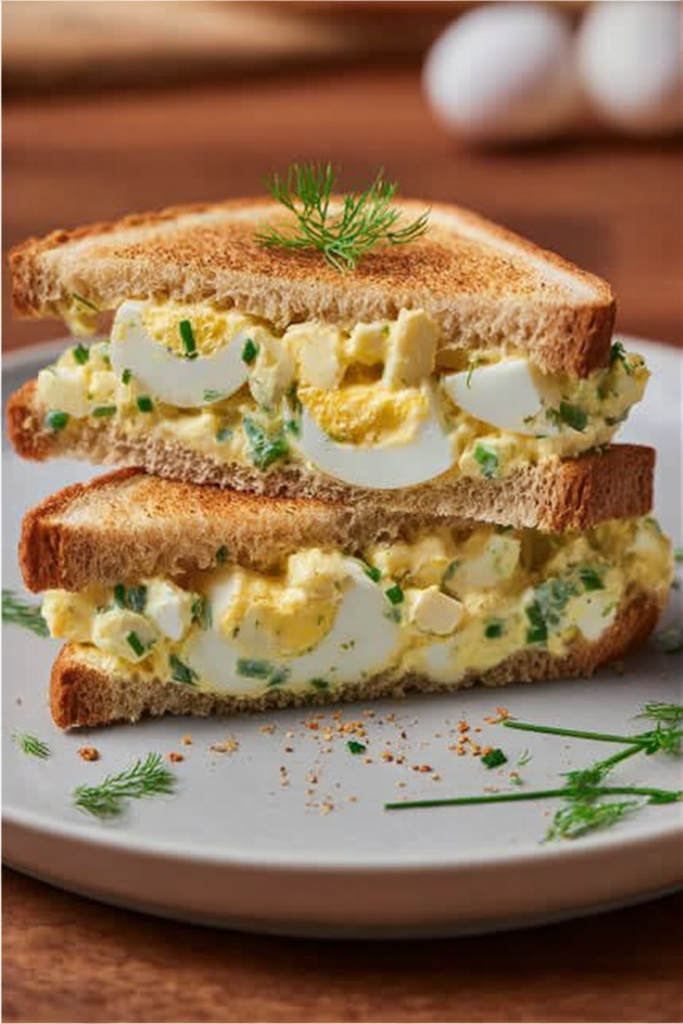
Classic bread choices – Soft white bread, whole wheat, sourdough, pumpernickel, or butter-toasted bread all complement egg salad; croissants add buttery richness for special occasions.
Fresh vegetable sides – Leafy green salad with vinaigrette, crisp lettuce and tomato slices, cucumber rounds, or carrot sticks provide refreshing crunch and nutrients.
Classic chips and pickles – Potato chips, kettle chips, or pretzels add salty crunch, while dill pickle spears or bread-and-butter pickles contribute tangy contrast.
Fresh fruit – Apple slices, grapes, or mixed berries provide sweet balance to the savory egg salad and add natural lightness to the meal.
Ideal Occasions
Quick weekday lunches – Prepare on Sunday for grab-and-go lunches all week; scoop into sandwiches as needed or pack in containers with crackers for no-bread option.
Picnics and outdoor gatherings – Classic picnic fare that travels well in a cooler; serve with chips, fruit, and lemonade for traditional warm-weather meal.
Ladies’ luncheons and showers – Elegant enough for tea sandwiches (cut into triangles with crusts removed) for bridal or baby showers, book clubs, or afternoon gatherings.
After-school snacks – Kids love egg salad sandwiches or with crackers for protein-rich snack that keeps them satisfied until dinner without being too filling.
Storage & Serving Tips
Refrigerator storage – Transfer to a shallow, airtight container and refrigerate promptly; keeps for up to 4 days, though texture and flavor are best within 2-3 days.
Do not freeze – Freezing dramatically changes the texture of mayonnaise-based egg salad, causing it to become watery and separated upon thawing; always make only what you’ll eat within 4 days.
Serving suggestions – Build sandwiches with lettuce, tomato, and bacon for classic club style; stuff into hollowed tomatoes or avocado halves for low-carb presentation; or serve on cucumber rounds for appetizers.
Prevent watery egg salad – If liquid pools at the bottom after storage, stir well before serving; next time, ensure eggs are completely cooled and dried before chopping, as warm eggs release more moisture.
Creative Variations to Try
Dill pickle version – Add ¼ cup finely chopped dill pickles and 1 teaspoon pickle juice for tangy, briny flavor that many find irresistible; reduce mayonnaise slightly if mixture seems too wet.
Celery and herb style – Mix in ¼ cup finely diced celery for crunch and 1 tablespoon fresh chopped dill or parsley for brightness and fresh herb flavor.
Curry egg salad – Add 1 teaspoon curry powder, ¼ cup golden raisins, and 2 tablespoons chopped cashews for Indian-inspired version with sweet and savory complexity.
Avocado egg salad – Replace half the mayonnaise with mashed avocado for healthier fat, creamy texture, and beautiful green color; use immediately as avocado browns quickly.
Troubleshooting Common Issues
Eggs won’t peel cleanly – Use slightly older eggs (1 week old), ensure rapid cooling in ice water, and peel under running water; imperfect peeling doesn’t affect chopped egg salad appearance.
Green ring around yolks – This harmless but unappealing discoloration comes from overcooking; follow the covered standing method precisely and cool eggs immediately to prevent it.
Egg salad is too dry – Not enough mayonnaise was used or eggs were overcooked; add mayonnaise 1 tablespoon at a time until desired creaminess, and ensure proper cooking time next time.
Too bland or tastes flat – Insufficient salt or acid; add more salt gradually, increase mustard, or add a squeeze of lemon juice to brighten flavors and create more complexity.
Why This Recipe Works
Classic Egg Salad succeeds through the careful cooking and combining of simple ingredients that create satisfying texture and balanced flavor. The covered standing method for cooking eggs works through residual heat—bringing water to a full boil ensures it’s hot enough, then removing from heat and covering traps that heat, cooking eggs gently and evenly at around 180-185°F rather than the violent 212°F of boiling water. This gentle cooking prevents the proteins in egg whites from over-contracting and becoming rubbery, while keeping yolks creamy rather than chalky. The rapid cooling in ice water stops the cooking process immediately, preventing carryover cooking that would continue for several minutes in hot eggs, and causes the egg to contract slightly away from the shell membrane, making peeling easier. Mayonnaise serves multiple purposes: its emulsified oil and egg yolks create creamy binding, its acid (from vinegar or lemon juice) brightens flavors, and its richness carries and amplifies the other ingredients’ flavors throughout every bite. The small amount of mustard provides acidity and slight sharpness from allyl isothiocyanate compounds that stimulate taste receptors, preventing the egg salad from tasting monotonous or too rich. Green onions contribute mild allium flavor without the harshness of raw onion, plus their bright color creates visual appeal in what would otherwise be a monochromatic dish. Paprika adds not just color but also subtle sweet-peppery notes and aromatic compounds that enhance savory perception. Chopping eggs into varied sizes rather than uniform cubes creates textural interest—some larger pieces provide substantial bites while finer crumbles mix with mayonnaise to create creamy background. The resting time after mixing allows salt to dissolve and flavors to meld, while refrigeration firms the mayonnaise slightly and allows the green onion flavor to permeate throughout. At 333 calories per serving, this egg salad provides substantial nutrition with approximately 13g protein from eggs (one of the most complete protein sources available), 30g fat primarily from mayonnaise and egg yolks, and just 2g carbohydrates, making it naturally low-carb and keto-friendly.
Final Thoughts
Classic Egg Salad Sandwiches represent the pinnacle of simple comfort food—proving that you don’t need exotic ingredients or complicated techniques to create something genuinely satisfying and delicious. This recipe demonstrates the power of mastering fundamental cooking techniques like perfectly boiling eggs, which becomes a building block for countless other dishes beyond egg salad. The beauty lies in its simplicity and adaptability—once you have this reliable base recipe, you can customize it endlessly to suit your taste, dietary needs, or whatever ingredients you have available, ensuring it never becomes boring. While 333 calories per serving is moderate, this is genuinely filling and satisfying thanks to the high protein and fat content that create lasting satiety unlike carbohydrate-heavy meals that leave you hungry an hour later. For those watching calories, you can reduce each serving to approximately 230-250 calories by using light mayonnaise, adding more chopped vegetables to increase volume without adding many calories, and serving on lettuce wraps instead of bread. The make-ahead nature means you can prepare this during free moments and have ready-to-eat protein available all week for quick lunches, snacks, or emergency dinners when cooking feels impossible. Whether you’re packing school lunches, preparing picnic fare, feeding unexpected guests, honoring nostalgic childhood memories of simple sandwiches, or simply craving that particular comfort only egg salad can provide, this classic recipe delivers reliable results every single time—proving once again that some of the best recipes are the ones that make both the cooking and the eating effortless, nourishing bodies with quality protein while feeding souls with the simple satisfaction of perfectly executed comfort food.