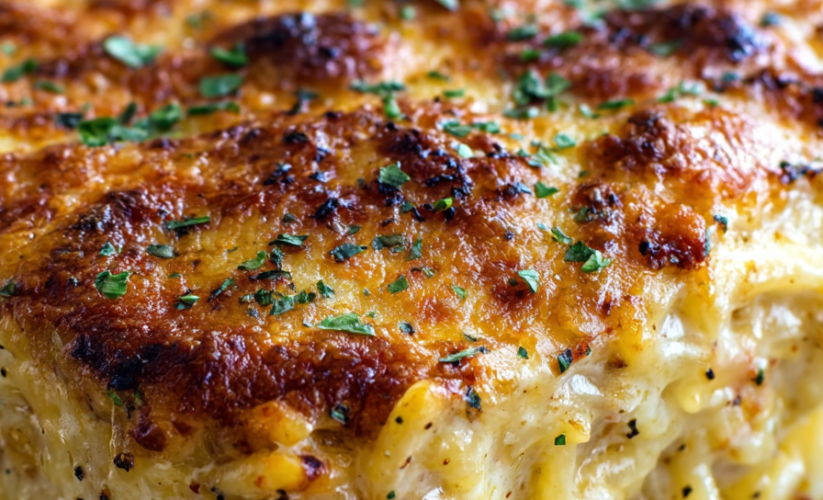
Baked Cream Cheese Spaghetti Casserole

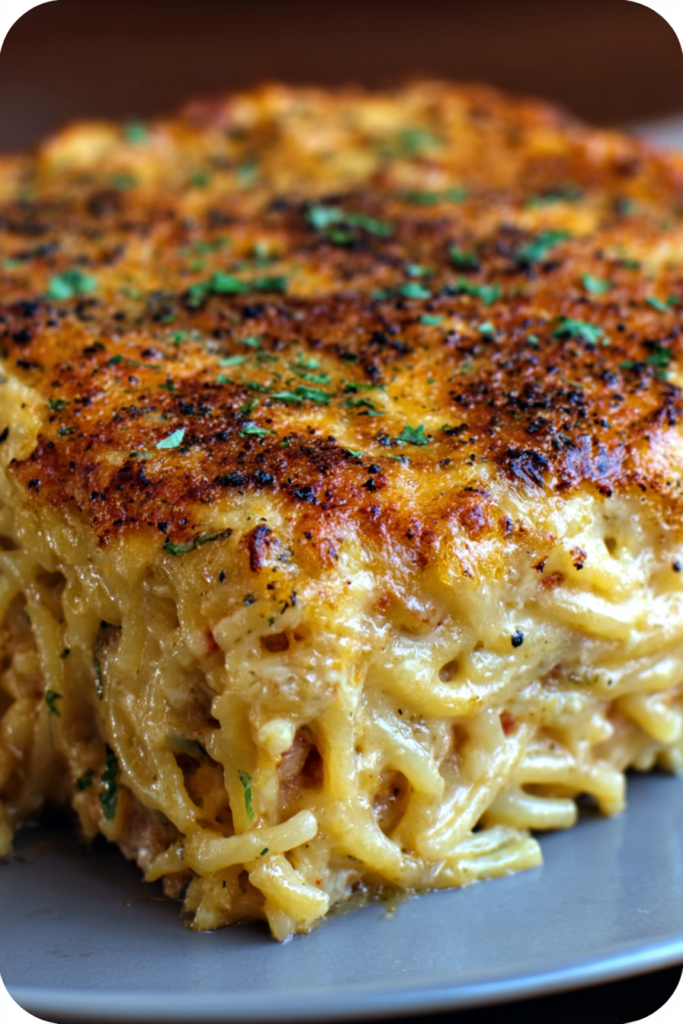
This ingenious casserole transforms traditional spaghetti and meat sauce into a layered, lasagna-style baked dish where tangy cream cheese creates a luxurious middle layer that’s far more interesting than plain pasta. The genius lies in the triple-cheese cream filling—cream cheese, sour cream, and ricotta blended with Italian seasonings—that sits between the spaghetti base and hearty meat sauce topping, creating distinct flavor and texture layers in every forkful. Crowned with bubbling mozzarella and golden Parmesan, this crowd-pleasing casserole delivers all the comfort of both spaghetti night and lasagna dinner while being significantly easier to assemble than traditional layered pasta dishes.
Why You’ll Love This Recipe
Lasagna ease, spaghetti speed – This casserole captures the impressive layered presentation and rich flavors of lasagna but skips the tedious process of layering individual noodles, making it perfect for weeknight dinners when you want something special without the fuss.
Creamy cheese layer surprise – The unexpected middle layer of tangy cream cheese mixture elevates this beyond basic baked spaghetti, providing luxurious creaminess that contrasts beautifully with the tomato-based meat sauce.
Feeds a crowd effortlessly – Baked in a 9×13-inch dish, this casserole serves 6-8 people generously from a single pan, making it ideal for family dinners, potlucks, or meal prep for the week ahead.
Make-ahead friendly – Assemble the entire casserole hours or even a day before baking, refrigerate covered, then pop it in the oven when needed—perfect for stress-free entertaining or busy weeknight planning.
Kid and picky-eater approved – The familiar spaghetti format combined with plenty of cheese makes this appealing even to children who might resist more adventurous dishes, while adults appreciate the sophisticated cream cheese layer.
Customizable base recipe – Easily adapt by adding vegetables, swapping meats, adjusting cheese ratios, or incorporating your family’s favorite pasta sauce—this flexible recipe welcomes improvisation.
Ingredients You’ll Need
For the Pasta Base
12 oz spaghetti – Standard dried spaghetti provides familiar texture; break noodles in half before cooking if you prefer shorter pieces that are easier to serve and eat
1 tablespoon olive oil – Tossed with drained pasta to prevent sticking and clumping while you prepare other components
For the Meat Sauce
1 lb ground beef – Choose 80/20 or 85/15 for good flavor without excessive grease; ground Italian sausage, turkey, or a beef-sausage blend work equally well
1 jar (24 oz) marinara or spaghetti sauce – Use your favorite brand or homemade sauce; quality matters here as it forms the flavor foundation of the dish
Salt and pepper to taste – Adjust seasoning after combining beef and sauce, as different sauces have varying sodium levels
For the Cream Cheese Layer
8 oz cream cheese, softened – Full-fat cream cheese at room temperature (leave out 2-3 hours) ensures smooth mixing without lumps; this tangy layer is what makes this casserole special
¼ cup sour cream – Adds additional tang and helps thin the cream cheese to spreadable consistency while contributing extra moisture
½ cup ricotta cheese – Provides traditional Italian cheese flavor and slightly grainy texture that lightens the dense cream cheese mixture
1 tablespoon Italian seasoning – Blend of oregano, basil, thyme, and rosemary that seasons the cream layer and ties it to the marinara sauce above and below
1 teaspoon garlic powder – Reinforces savory notes throughout the cream cheese layer; use fresh minced garlic (2-3 cloves) if you prefer more pronounced garlic flavor
½ cup grated Parmesan cheese (divided) – Nutty, salty aged cheese adds complexity; use half in the cream mixture and reserve half for topping
For the Cheese Topping
2 cups shredded mozzarella cheese – Creates the signature stretchy, melty topping; use whole milk mozzarella for best flavor and texture, freshly shredded if possible
Fresh parsley for garnish (optional) – Adds bright green color contrast and fresh herbal note that cuts through richness; use Italian flat-leaf parsley for best flavor
Step-by-Step Instructions
Preheat oven and prepare dish Set your oven to 350°F (175°C) and position the rack in the center for even heat distribution. Generously grease a 9×13-inch casserole dish with cooking spray or butter, ensuring you coat the corners and sides—this prevents the pasta from sticking and makes serving easier.
Cook the spaghetti Bring a large pot of salted water (use about 1 tablespoon salt per 4 quarts water) to a rolling boil. Add the 12 oz spaghetti and cook according to package directions until al dente—typically 8-10 minutes. The pasta should be tender but still have slight firmness when bitten, as it will continue cooking during baking. Drain in a colander, return to the pot, and toss with 1 tablespoon olive oil to prevent sticking while you prepare other components.
Brown the ground beef While pasta cooks, heat a large skillet over medium heat. Add the 1 lb ground beef, breaking it apart with a wooden spoon or spatula into small crumbles. Cook for 5-7 minutes, stirring occasionally, until the meat is thoroughly browned with no pink remaining. If there’s excessive fat (more than 2 tablespoons), drain by tilting the pan and spooning out excess, or pour the meat through a colander.
Create the meat sauce Return the drained beef to the skillet and add the entire 24 oz jar of marinara sauce. Stir to combine, reduce heat to low, and let simmer gently for 5 minutes to allow flavors to meld. Taste and add salt and pepper as needed—remember that you’ll be adding more cheese later, which contributes saltiness, so season conservatively.
Prepare the cream cheese mixture In a medium bowl, combine the 8 oz softened cream cheese, ¼ cup sour cream, ½ cup ricotta cheese, 1 tablespoon Italian seasoning, 1 teaspoon garlic powder, and half (¼ cup) of the grated Parmesan cheese. Using a fork, wooden spoon, or hand mixer on low speed, mix vigorously for 1-2 minutes until the mixture is smooth, creamy, and completely combined with no lumps of cream cheese remaining—the mixture should be thick but spreadable.
Begin layering the casserole Spread approximately 1 cup of the meat sauce in a thin layer across the bottom of your prepared 9×13-inch dish—this prevents the pasta from sticking to the pan and adds moisture to the bottom layer. Add the olive oil-tossed spaghetti to the dish, using tongs or a fork to distribute it evenly across the bottom and gently press it down to create a uniform layer.
Add the cream cheese layer Drop spoonfuls of the cream cheese mixture evenly over the spaghetti layer—about 8-10 dollops distributed across the surface. Using an offset spatula or the back of a spoon, carefully spread the cream cheese mixture into an even layer covering the pasta—it doesn’t need to be perfect as it will melt and spread during baking, but aim for relatively uniform coverage.
Top with remaining meat sauce and cheese Pour the remaining meat sauce over the cream cheese layer, spreading gently to cover completely—try not to disturb the cream cheese layer too much, though some mixing at the edges is fine. Sprinkle the 2 cups shredded mozzarella evenly over the top, followed by the remaining ¼ cup grated Parmesan cheese, ensuring edge-to-edge coverage for that irresistible golden, bubbly finish.
Bake covered, then uncovered Cover the casserole dish tightly with aluminum foil (spray the underside with cooking spray to prevent cheese from sticking). Place in the preheated oven and bake for 25-30 minutes until the cheese is melted and the casserole is heated through. Remove the foil carefully (steam will escape) and continue baking uncovered for an additional 5-10 minutes, until the cheese topping is golden brown with bubbling edges and slightly crispy spots.
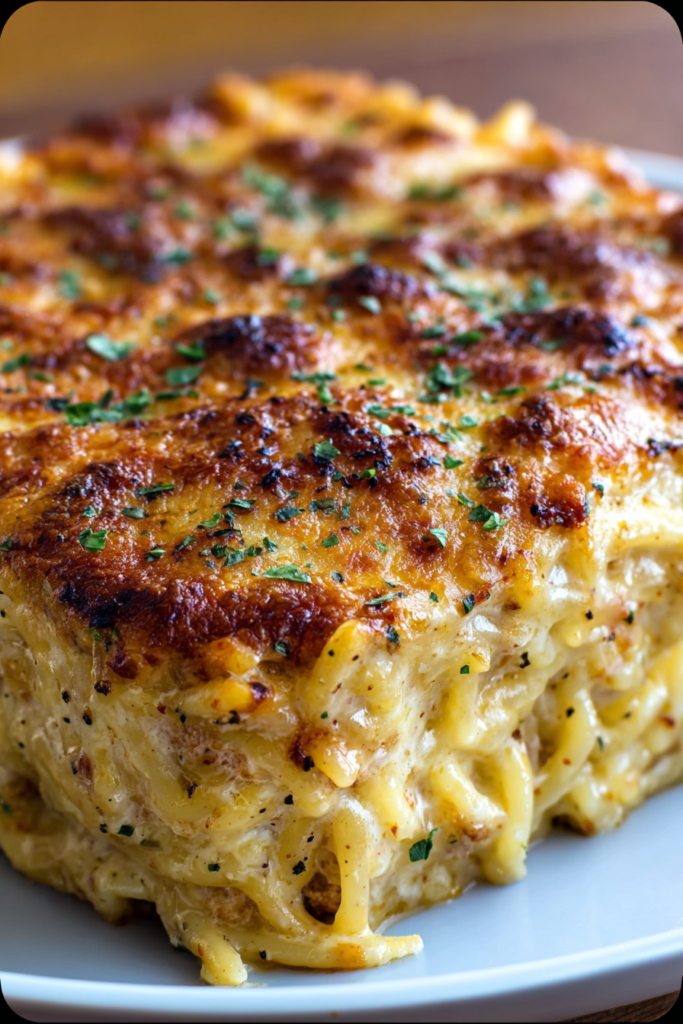
Rest before serving Remove the casserole from the oven and let it rest for 5-10 minutes before cutting. This crucial cooling period allows the layers to set slightly and the cheese to firm up, making serving much neater—cutting immediately results in a soupy, messy presentation that falls apart on the plate. Garnish with freshly chopped parsley if desired, then cut into squares and serve warm.
Recipe Notes & Tips
Al dente pasta is essential – Slightly undercook the spaghetti as it continues cooking during baking; mushy pasta before baking results in an overcooked, unpleasant texture in the finished casserole.
Cream cheese must be softened – Room temperature cream cheese mixes smoothly without lumps; if you forgot to soften, cut into small cubes and microwave for 10-15 seconds, or use a hand mixer to force cold cream cheese smooth.
Don’t skip the bottom sauce layer – That thin layer of meat sauce on the bottom prevents pasta from sticking to the pan and burning; it’s insurance for easy serving and cleanup.
Foil prevents over-browning – Covering for most of the baking time ensures the interior heats through before the cheese topping burns; removing foil at the end creates that desirable golden, slightly crispy top.
Make-ahead assembly – Assemble completely through adding the cheese topping, cover tightly with plastic wrap then foil, and refrigerate for up to 24 hours; add 10 minutes to covered baking time if starting cold.
Storage and reheating – Cool completely, cover tightly, and refrigerate for up to 4 days; reheat individual portions in the microwave for 2-3 minutes or the whole pan covered at 325°F for 25-30 minutes until heated through.
Nutritional Information
Prep Time: 15 minutes
Cook Time: 35 minutes (5 minutes simmering + 30-40 minutes baking)
Total Time: 50 minutes (plus 5-10 minutes resting)
Servings: 6-8 generous portions (9×13 pan typically yields 6 large or 8 moderate servings)
Calories per serving: Approximately 450 kcal per serving based on 8 servings (varies with portion size and exact ingredients; using lean ground turkey and reduced-fat cheeses can lower by 100-120 calories per serving)
Perfect Pairings
Garlic bread or breadsticks – Warm, crusty bread for soaking up the meat sauce and cheese is practically mandatory; garlic knots or cheesy breadsticks add extra indulgence.
Caesar salad or Italian salad – Crisp romaine with tangy Caesar dressing or mixed greens with Italian vinaigrette provides refreshing contrast to the rich, cheesy casserole.
Roasted vegetables – Oven-roasted broccoli, zucchini, or green beans add color, nutrition, and lighter elements that balance the hearty main dish.
Red wine or sparkling water – A medium-bodied red like Chianti or Sangiovese complements the tomato sauce beautifully, while sparkling water with lemon provides refreshing palate cleansing.
Ideal Occasions
Weeknight family dinners – Despite its impressive appearance, this casserole is straightforward enough for Tuesday night when you want something satisfying that everyone will eat without complaint.
Potluck gatherings – Travels beautifully, stays warm for extended periods, serves many people from one dish, and appeals to virtually everyone—the ultimate crowd-pleasing contribution.
Meal prep Sundays – Make on the weekend, portion into containers, and enjoy easy, homemade dinners all week; reheats beautifully and actually improves in flavor as it sits.
Casual entertaining – When hosting friends or family for relaxed dinners, this impressive-looking but easy-to-make casserole lets you spend time with guests rather than being stuck in the kitchen.
Storage & Serving Tips
Room temperature holding – This casserole can sit at room temperature for up to 2 hours after baking, making it practical for buffet situations; keep loosely covered with foil to retain warmth.
Refrigerator storage – Cool completely to room temperature, then cover tightly with plastic wrap or foil and refrigerate for up to 4 days; the flavors actually improve overnight as they meld.
Freezing instructions – Freeze unbaked (assemble completely, wrap tightly in plastic then heavy-duty foil) or baked and cooled; both methods work for up to 2 months—thaw overnight in refrigerator before baking or reheating.
Serving suggestions – Cut into 6-8 squares using a sharp knife wiped clean between cuts; use a spatula to lift portions cleanly from the pan, and serve with extra marinara sauce on the side for those who want more.
Creative Variations to Try
Vegetable-loaded version – Add 2 cups of sautéed mushrooms, spinach, bell peppers, or zucchini to the meat sauce for extra nutrition and flavor without significantly changing the recipe structure.
Italian sausage swap – Replace ground beef with Italian sausage (remove casings if using links) for more robust, fennel-forward flavor; use sweet for milder taste or hot for spicy kick.
Chicken Alfredo style – Use cooked, shredded chicken instead of beef and Alfredo sauce instead of marinara for a completely different but equally delicious white sauce variation.
Vegetarian adaptation – Omit meat entirely and add extra vegetables like mushrooms, eggplant, and bell peppers; or use plant-based ground “beef” for a vegetarian-friendly version.
Troubleshooting Common Issues
Casserole is watery – Too much sauce or pasta wasn’t drained well enough; next time, use slightly less sauce, ensure pasta is well-drained, and let the casserole rest the full 10 minutes before serving.
Cream cheese layer disappeared – The cream cheese wasn’t thick enough or wasn’t spread in an even layer; ensure cream cheese is fully softened but not melted, and spread carefully in a uniform layer.
Top is too brown before inside is hot – Oven runs hot or rack position too close to top element; tent with foil sooner, use an oven thermometer to verify temperature, and move rack to lower position.
Pasta is mushy – Overcooked before baking or baked too long; cook pasta only to al dente (slightly firm), and check casserole at minimum baking time to avoid overcooking.
Why This Recipe Works
Baked Cream Cheese Spaghetti Casserole succeeds through the strategic layering of complementary textures and flavors that transform simple components into something greater than the sum of their parts. The spaghetti base, tossed with olive oil, prevents sticking while providing familiar pasta comfort and structure to support the layers above. Cooking pasta to al dente (slightly firm) before baking is essential because pasta continues absorbing liquid and softening during the 30-40 minute bake time—fully cooked pasta before baking would become mushy and unpleasant in the finished dish. The meat sauce layer, allowed to simmer briefly after combining beef and marinara, develops deeper flavor as the meat absorbs tomato and herb notes while releasing savory compounds through the Maillard reaction during browning. The cream cheese mixture is the recipe’s innovation—combining three dairy products creates complex flavor and texture: cream cheese provides rich, tangy base; sour cream adds additional tang and thins the mixture to spreadable consistency; and ricotta contributes traditional Italian cheese flavor while lightening the dense cream cheese with its slightly grainy, moist texture. Italian seasoning and garlic powder infuse the cream layer with herbs and aromatics that bridge the tomato sauce and cheese, creating flavor continuity throughout the dish. The generous cheese topping—mozzarella for stretch and melt, Parmesan for nutty, salty complexity—browns through Maillard reactions and slight caramelization, creating the appealing golden crust and developing hundreds of new flavor compounds that wouldn’t exist without that final uncovered baking period. Covering with foil for most of the baking time traps steam that keeps the interior moist and heats everything through evenly, while removing foil at the end allows surface moisture to evaporate and the cheese to brown. The 350°F temperature is precisely calibrated to heat the casserole through without drying it out or burning the cheese—higher temperatures would over-brown the top before the center is hot, while lower temperatures would take too long and risk the cheese not developing that desirable golden color. The 5-10 minute rest after baking allows the cheese to cool slightly and firm up from its molten state, the layers to settle, and the structure to stabilize enough to slice cleanly without falling apart. At approximately 450 calories per serving based on 8 servings, this casserole provides a complete, substantial meal with 25-30g protein from beef and multiple cheeses, 40-45g carbohydrates primarily from pasta, and 20-25g fat from cheese and beef—creating genuine satiety that keeps everyone satisfied for hours.
Final Thoughts
Baked Cream Cheese Spaghetti Casserole represents the perfect evolution of comfort food classics—taking the familiar, beloved elements of spaghetti night and elevating them into something more impressive and interesting without adding significant complexity or difficulty. This recipe proves that innovation in home cooking often comes not from exotic ingredients or complicated techniques, but from thoughtfully combining familiar favorites in new ways that highlight their best qualities. The genius cream cheese layer transforms what could be ordinary baked spaghetti into something special enough for company yet reliable enough for weekly rotation, while the straightforward assembly and one-dish format make it practical for real life rather than just special occasions. While the calorie count of 450 per serving is substantial, this is genuinely a complete meal that requires only simple sides like salad or bread to feel satisfying and balanced—the combination of protein, carbohydrates, and vegetables (if you add them) creates a nutritionally complete plate. For those watching calories, you can reduce each serving to approximately 350-380 calories by using lean ground turkey, reduced-fat cream cheese and sour cream, less mozzarella on top, and whole wheat pasta for added fiber—all while maintaining the essential layered structure and comforting character. The make-ahead friendly nature and excellent reheating properties mean you can prepare this casserole when it’s convenient for you, then serve it when your schedule demands, eliminating dinnertime stress while ensuring hot, homemade food. Whether you’re feeding a hungry family on a busy Tuesday, contributing to a potluck where you need guaranteed success, meal prepping for the week ahead, or entertaining casually without wanting to be stuck in the kitchen, this Baked Cream Cheese Spaghetti Casserole delivers the perfect combination of impressive presentation, crowd-pleasing flavor, and practical convenience—proving once again that some of the best recipes are those that make both the cooking and the eating equally rewarding, bringing people together around the table for shared moments of comfort and satisfaction.