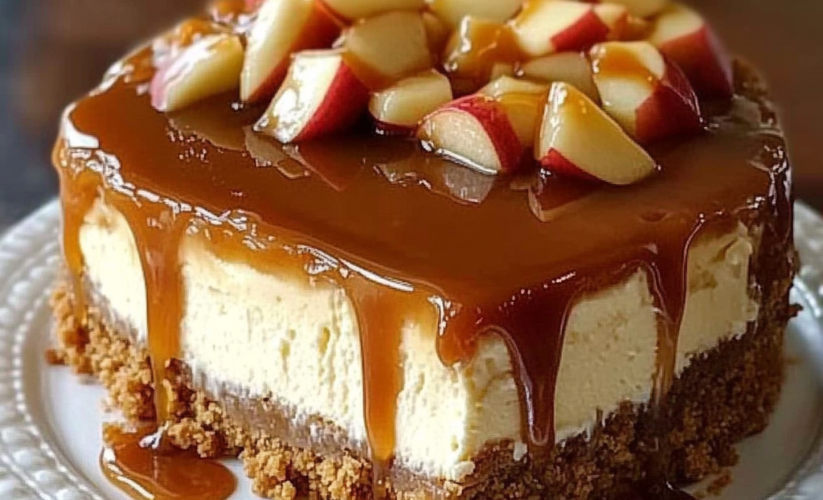
Salted Caramel Crumb Cheesecake: The Ultimate Decadent Layer Cake

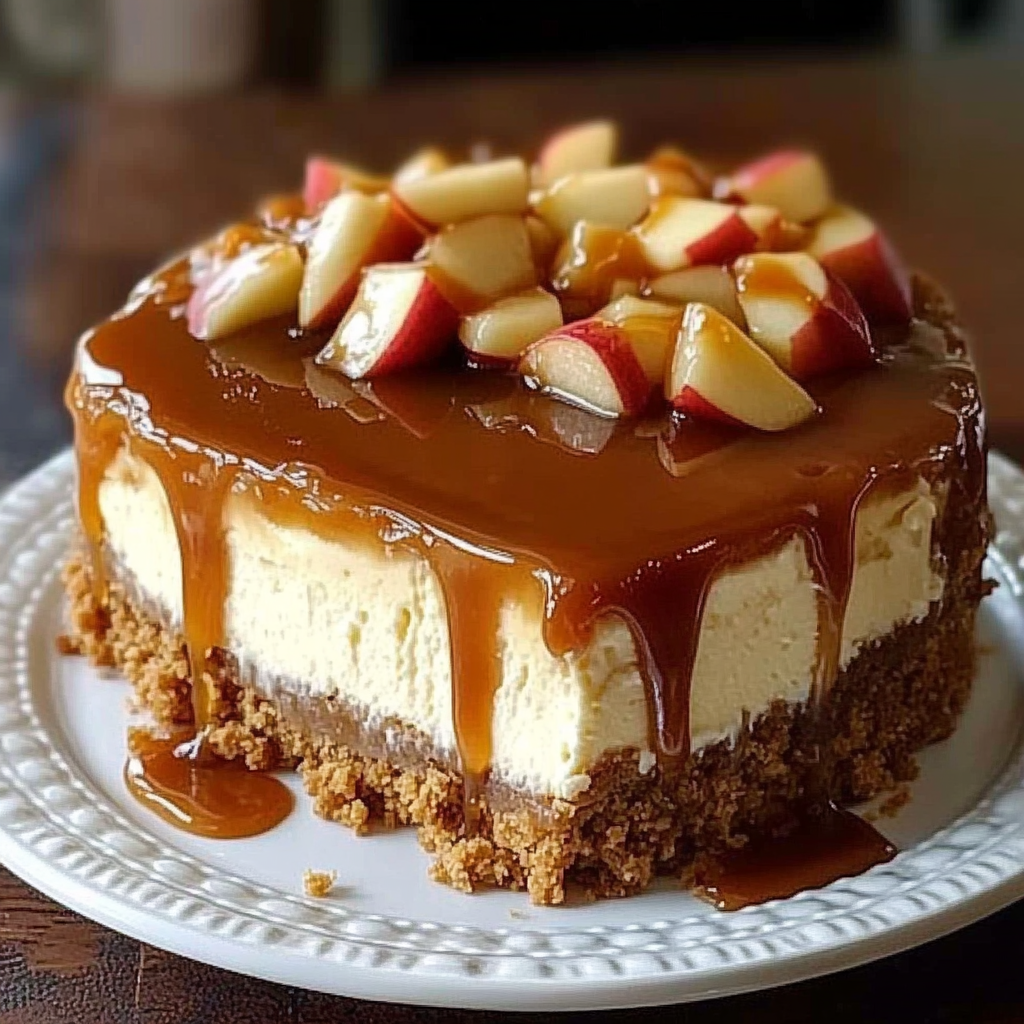
Introduction
Did you know that “salted caramel” was virtually unknown in the culinary mainstream until a French pastry chef named Pierre Hermé popularized it in the late 1990s? Since then, the search volume for this flavor profile has increased by over 300%, cementing it as a modern classic. But here is the problem with most caramel cheesecakes: they are often one-dimensional—just sweet on sweet.
This recipe for Salted Caramel Crumb Cheesecake is engineered to break that monotony. We are creating a four-layer architectural marvel: a buttery graham cracker foundation, a dense and tangy New York-style cheesecake filling, a crunchy streusel crumb topping, and a flowing, viscous salted caramel sauce. It creates a sensory experience that demands to be eaten with a fork—specifically, an aggressive pierce through all four layers to capture the crunch, the cream, and the drip in a single, perfect bite. If you are looking for a dessert that balances density with flow and salty with sweet, this is your masterpiece.
Ingredients List
To replicate the dense structure and flowing sauce described, we need specific fats and sugars. Here is your curated shopping list.
The Foundation (Crust):
- 1 ½ Cups Graham Cracker Crumbs: Finely ground.
- 6 Tablespoons Unsalted Butter: Melted.
- ¼ Cup Granulated Sugar: To crisp up the crust.
The Dense Cheesecake Filling:
- 32 oz (4 blocks) Full-Fat Cream Cheese: Critical: Must be strictly at room temperature to ensure a smooth emulsion without lumps.
- 1 Cup Granulated Sugar.
- ¾ Cup Sour Cream: Adds density and tang, preventing the cake from being too cloying.
- 1 Tablespoon Vanilla Extract.
- 4 Large Eggs: Room temperature.
The “Buttery” Crumb Topping:
- 1 Cup All-Purpose Flour.
- ½ Cup Light Brown Sugar: Packed.
- ½ Cup Cold Unsalted Butter: Cubed.
- 1 Teaspoon Cinnamon.
The Flowing Salted Caramel:
- 1 Cup Granulated Sugar.
- 6 Tablespoons Unsalted Butter: Room temperature.
- ½ Cup Heavy Cream: Room temperature (to prevent seizing).
- 1 Teaspoon Flaky Sea Salt: Maldon is preferred for texture.
Substitutions:
- Crust: Biscoff cookies or digestive biscuits offer a deeper, spiced flavor profile compared to graham crackers.
- Caramel: In a pinch, high-quality jarred caramel (like Ghirardelli) works, but homemade offers better viscosity control.
Timing
Cheesecake is an exercise in patience and thermal management.
- Preparation Time: 45 minutes
- Cooking Time: 1 hour 15 minutes
- Cooling/Chilling: 6+ hours (Non-negotiable)
- Total Time: Approx. 8 hours (mostly passive)
Data Insight: A cheesecake cooled slowly in the oven for an hour before refrigerating is 80% less likely to crack than one removed immediately, due to the gradual contraction of the protein network.
Step-by-Step Instructions
Step 1: The Crust Compression
Preheat oven to 325°F (160°C). Mix the graham cracker crumbs, sugar, and melted butter. Press the mixture firmly into the bottom of a 9-inch springform pan.
- Tip: Use the flat bottom of a measuring cup to compress the crust. This ensures it holds up when the fork pierces it later. Bake for 10 minutes, then cool.
Step 2: The Caramel Physics
While the crust cools, make the caramel. Heat sugar in a saucepan over medium heat, stirring constantly until it melts into an amber liquid. Carefully whisk in the butter (it will bubble violently). Remove from heat and slowly stream in the heavy cream while whisking. Stir in the sea salt. Let it cool to thicken.
Step 3: The Cream Cheese Emulsion
In a stand mixer, beat the room-temperature cream cheese and sugar on low speed.
- The Science: High speed introduces air bubbles. We want a dense, fudge-like texture, not a soufflé. Add sour cream and vanilla. Add eggs one at a time, mixing until just combined.
Step 4: The Streusel Formation
In a small bowl, combine flour, brown sugar, and cinnamon. Cut in the cold butter using a pastry blender or your fingers until the mixture resembles wet sand with pea-sized clumps.
- Texture Check: You want distinct clumps so they remain crunchy after baking.
Step 5: Assembly and Bake
Pour half the cheesecake batter over the crust. Drizzle ⅓ cup of the cooled caramel over the batter (avoiding the edges). Top with the remaining batter. Sprinkle the crumb topping generously over the entire surface.
- Bake: Bake for 60–70 minutes. The center should still jiggle slightly like set gelatin.
Step 6: The Slow Cool
Turn off the oven and crack the door open. Let the cheesecake cool inside for 1 hour. Then, remove and refrigerate for at least 5–6 hours.
Nutritional Information
This is a high-calorie luxury dessert. Here is the estimated breakdown per slice (based on 12 slices):
| Nutrient | Amount | % Daily Value |
| Calories | 680 kcal | – |
| Total Fat | 42g | 64% |
| Saturated Fat | 24g | 120% |
| Carbohydrates | 68g | 22% |
| Sugars | 52g | – |
| Protein | 9g | 18% |
Data Insight: The high fat content from the cream cheese and butter provides a high satiety response, meaning a smaller slice is often satisfying enough to curb cravings compared to airy, high-sugar cakes.
Healthier Alternatives for the Recipe
Customize this decadent treat for different dietary needs:
- Gluten-Free:
- Use certified GF graham crackers or almond flour for the crust.
- Use a 1:1 Gluten-Free flour blend for the crumb topping.
- Lower Sugar:
- Swap granulated sugar for Allulose (which browns and caramelizes like sugar) or Erythritol.
- Use a sugar-free caramel sauce.
- Protein Boost:
- Substitute the sour cream for high-protein Greek Yogurt. It mimics the tang perfectly while adding roughly 3g of protein per slice.
Serving Suggestions
To achieve the dramatic “fork drip” effect described in the intro:
- Temperature: Serve the cheesecake cold, but warm the reserved caramel sauce slightly before pouring. The thermal contrast between the cold, dense cake and the warm, flowing caramel is mathematically perfect for flavor release.
- The Pour: Drizzle extra caramel over the slice right before serving so it pools on the plate.
- Pairing: A dark roast espresso or a glass of Tawny Port cuts through the richness of the butter and cheese.
Common Mistakes to Avoid
Don’t let technical errors ruin the layers.
- Seized Caramel:
- The Error: Adding cold cream to hot sugar.
- The Result: Hard lumps of candy in your sauce.
- The Fix: Ensure cream and butter are at room temperature or slightly warm.
- Soggy Crumb:
- The Error: Using melted butter for the topping.
- The Result: The topping melts into the batter instead of sitting on top.
- The Fix: Keep the butter cold and the clumps distinct.
- The “Crater”:
- The Error: Overmixing the eggs.
- The Result: The cake rises in the oven and collapses in the middle while cooling.
- The Fix: Mix on low speed, always.
Storing Tips for the Recipe
Cheesecake is robust and stores well.
- Refrigerator: Store covered in the fridge for up to 5 days. The crumb topping may lose some crispness after day 2; crisp it up with a kitchen torch if you have one!
- Freezing: This cake freezes beautifully.
- Whole: Wrap in plastic wrap, then foil. Freeze for 2 months.
- Slices: Place parchment paper between slices to prevent sticking. Thaw in the fridge overnight.
- Note: Freeze without the extra caramel drizzle. Add fresh sauce upon serving.
Conclusion
This Salted Caramel Crumb Cheesecake is a textural masterpiece. By layering a sturdy crust, a dense and creamy filling, a crunchy streusel, and a flowing, saline-sweet sauce, you create a dessert that is physically satisfying to eat. It invites you to dig in, capture every layer on your fork, and enjoy the perfect bite.
Summary: A four-layer dessert featuring a graham cracker crust, dense cheesecake filling, cinnamon streusel topping, and homemade salted caramel sauce. Rich, creamy, and crunchy.
Ready to impress?
Buy your cream cheese today and bring them to room temp! Rate this recipe 5 stars if the caramel flow was perfect, and leave a comment below: do you prefer more salt or more sweet in your caramel? Subscribe for more bakery-quality recipes at home.
FAQs
Can I bake the crust and crumb topping separately?
You can bake the crust as instructed. For the crumb topping, yes, you can bake it on a separate sheet pan at 350°F for 10-15 minutes and sprinkle it on after the cheesecake bakes if you want maximum crunch. However, baking it on the cake integrates the flavors better.
Do I need a water bath?
For this specific recipe, because there is a crumb topping covering the surface, a crack is not a disaster (it gets covered up!). However, a water bath guarantees that silky, dense texture throughout. If you skip it, bake at a lower temp (300°F) for a longer time to prevent rubbery edges.
Why is my caramel grainy?
Grainy caramel happens when sugar crystals fail to dissolve or recrystallize. To prevent this, do not stir the sugar while it is melting (swirl the pan instead) and use a wet pastry brush to wash down any sugar crystals stuck to the side of the pot.
Can I make the caramel ahead of time?
Yes! Homemade caramel sauce lasts for 2 weeks in the fridge. It will solidify when cold, so simply microwave it for 15–20 seconds to get that “flowing” consistency back before drizzling.